BRICS Nations Diversify Foreign Exchange Reserves, Reducing Dollar Holdings
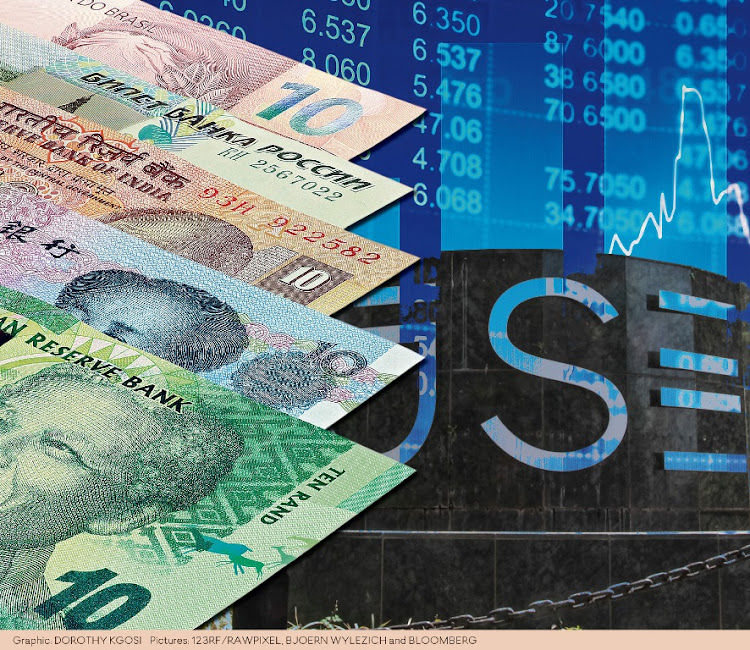
There have been reports about BRICS nations (Brazil, Russia, India, China, and South Africa) reducing their holdings of US dollars in their foreign exchange reserves. Here’s what we know:
Image Source: Bloomberg
The Trend:
- Several BRICS countries, particularly China and Russia, have been gradually decreasing their dollar holdings in recent years.
- This trend has accelerated since the start of the Ukraine war and subsequent Western sanctions on Russia.
- Reasons cited for this shift include:
- Diversification: Reducing reliance on a single reserve currency like the dollar is seen as a way to mitigate geopolitical risks and protect against potential financial shocks.
- Yield-seeking: Some BRICS nations are looking for higher returns on their reserves by investing in other currencies or assets.
- Geopolitical tensions: The strained relationship between the West and some BRICS countries, particularly Russia, is pushing them to look for alternative financial systems.
Data and Impact:
- The exact figures on how much BRICS countries have reduced their dollar holdings are not readily available due to the opaque nature of some reserve management practices.
- However, analysts estimate that China, the world’s largest foreign exchange holder, has decreased its dollar holdings by trillions of dollars in recent years.
- The long-term impact of this trend on the global financial system is still unclear. Some experts believe it could lead to a weakening of the dollar’s dominance, while others downplay its significance.
Additional Points:
- It’s important to note that BRICS countries still hold a significant amount of US dollars in their reserves.
- The dollar remains the world’s most widely used reserve currency due to its stability and deep liquidity.
- The move away from the dollar is not unique to BRICS countries, as other nations are also diversifying their reserves.
About The Author