WADA Suspends Bloemfontein Doping Laboratory

Image source: wall.alphacoders.com, lonewolf6738, Laboratory Microscope
Published by: Dimphotsentle Pule
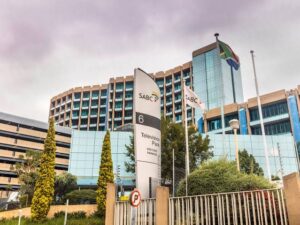
The World Anti-Doping Agency (WADA) has taken action against the South African Doping Control Lab in Bloemfontein. This is due to multiple non-conformities with compulsory international standards.
The facility will be suspended for the next six months from performing any doping activities. With that said, the Lab remains the only doping facility in Africa. In September 2023, WADA enforced an analytical testing restriction on the Laboratory. This decision was followed by a recommendation from the Laboratory Expert Advisory Group (Lab EAG) due to not conforming with the International Standard for Laboratories. It included non-conformities with Technical Documents and continued ATR (Analytical Testing Restrictions) among others.
The suspension means that the laboratory is prohibited from conducting any anti-doping tests/activities including analyzing urine and blood samples. The suspension came into effect on 1 March 2024. Although the laboratory is prohibited from carrying out any anti-doping activities, an exception has been in place. It allows the analysis related to the Athlete Biological Passport hematological module, stated WADA. Samples that have not yet been analyzed, still undergoing a confirmation procedure or any sample that the Laboratory has been working on will be transferred to a different WADA accredited laboratory. This is to ensure a continued high-quality sample analysis which preserves athletes” confidence in this process.
Saids, which is responsible for testing athletes at events, has begun its search for other alternatives. Although this is the case, “South African athletes and sport can be assured that testing and analysis will continue. This also only relates to urine samples. Blood samples will continue to be analysed in Bloemfontein.”, stated Saids.
What now for the Laboratory?
The laboratory now has the responsibility to address the non-conformities identified by WADA or the Lab EAG. If they meet the requirements before the six months of suspension expires, they can apply for reinstatements. However, should the non-conformities persist, WADA can extend the suspension with an additional six months. This is to ensure WADA’s role in maintaining the highest quality standards they have set.
Inadequate government funding may hinder achieving compliance status through machinery and expertise improvement. Athletes who have not yet received their findings may look at this as an excuse for inadequate results. Even then so, athletes would have to prove it. There has not been evidence that the samples from the Bloemfontein lab have been mismanaged.
The suspension serves as a reminder of the importance of adhering to the international standards in the fight against doping in sports.
About The Author