Pink Eye? Everything You Need To Know To Avoid Infection
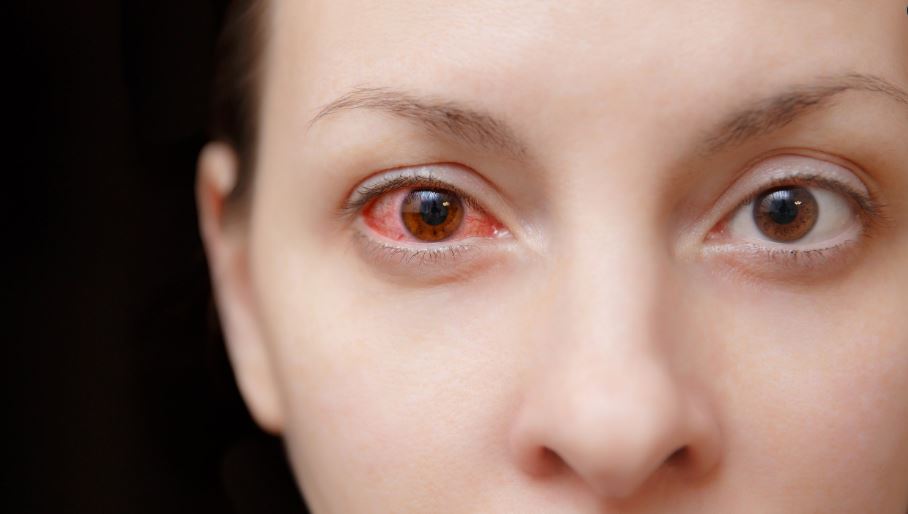
Image source: Getty Images
Published by: Dimphotsentle Pule
The KwaZulu-Natal Department of Health has alerted the public about a recent outbreak of pinkeye, also referred to as conjunctivitis, in certain areas of the province.
Provincial Health MEC Nomagugu Simelane has reported that at least 1,044 cases of pinkeye have been confirmed, with 1,040 cases identified in eThekwini and four cases in the Ugu district on the south coast.
What exactly is Pink Eye?
For insights into pinkeye, Dr. Nishen Gounder, a general practitioner at Netcare Medicross Malvern, offers valuable expertise.
“Think of pinkeye as akin to the common cold for your eyes,” Dr. Gounder explains. “It involves inflammation of the conjunctiva, a thin membrane that serves as the eye’s frontline defense. This inflammation can occur due to infections, allergies, or environmental factors, leading to redness and irritation.”
Pinkeye can stem from viral or bacterial infections. “These infections can cause the delicate eye membrane to become red and inflamed, resulting in discomfort such as itching, pain, swelling, fluid discharge, and a sensation of grittiness or sand in the eye,” he elaborates.
What causes pink eyes?
“The cause of pink eye can be either viral or bacterial, both of which are highly contagious and easily spread in communities or schools through close contact and hand contamination.
“The public can play its part by helping to ensure pink eye does not spread further.”
Symptoms that need immediate medical attention:
• Pain and tenderness of the eye.
• Vision disturbances.
• Sensitivity to light or difficulty keeping the eye(s) open.
• Other symptoms such as severe headache with nausea.
Here are some tips to manage pink eye:
- Visit your general practitioner if you suspect pink eye for guidance on treatment.
- Obtain a sick note from your doctor while waiting for the discharge to cease, usually after 24 hours of antibacterial treatment.
- Maintain good hygiene practices, including regular handwashing with soap or alcohol-based sanitizers to prevent the spread of pink eye and other infections.
- Avoid contact with individuals who have pink eye, refraining from physical contact and sharing personal items.
- If exposed to someone with pink eye, wash hands frequently, change bed linens daily, and avoid sharing towels or pillows.
- Discontinue contact lens use if you suspect pink eye.
- Seek immediate medical attention if you experience severe pain, vision changes, pus, or intense redness in your eyes
- Immunocompromised individuals should consult their treating doctor promptly.
- If diagnosed with pink eye, practice frequent handwashing to prevent spreading the infection to others at home.
- Ensure prompt medical attention for babies and young children exhibiting symptoms of pink eye.
About The Author