Africa Battles Malaria: A Stubborn Disease in a Changing World
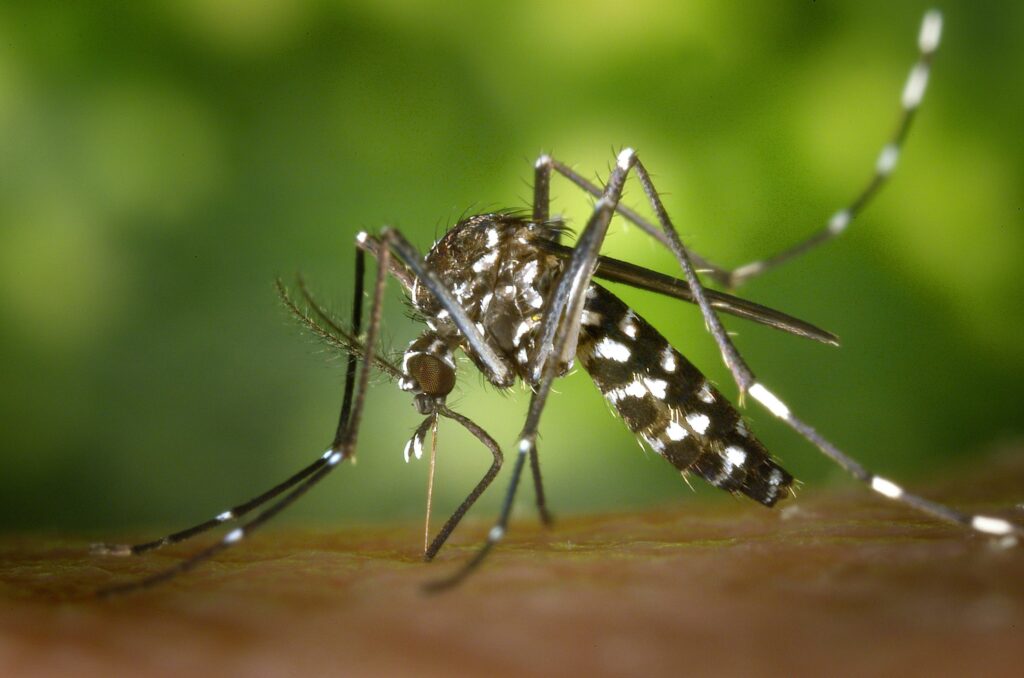
Africa and malaria, it’s a story we’ve heard for years. But unlike a catchy melody, this story isn’t one we want on repeat. Malaria continues to be a relentless foe, stealing lives and prosperity across the continent. Image Source: Pixabay
Published By Everything ZA News
Just last year, a few cases in the US sent shivers down spines, a stark reminder that climate change can reawaken old threats. But for millions in Africa, malaria is a constant unwelcome guest.
Take Funmilayo Kotun, a resident of Makoko, a vibrant Lagos slum. Here, stagnant water collects like unwelcome guests, breeding grounds for the villainous malaria-carrying mosquito.
For Funmilayo, the fight against malaria is a daily struggle. Those life-saving bed nets, costing between $7 and $21, are a luxury she can’t afford. The same goes for medication and treatment.
This harsh reality is why World Malaria Day is a crucial moment to raise awareness. Here’s a look at the fight against malaria in Africa:
Malaria: Still a Continental Scourge
Spread by infected mosquitoes, malaria brings fever, chills, and headaches, wreaking havoc on young children and pregnant women. Vaccines are a glimmer of hope, but still in their early stages.
Cameroon became the first to use a new kid on the block – a 30% effective vaccine that doesn’t stop transmission entirely. Another vaccine recently got the green light, but it’s a slow march towards a definitive solution.
Meanwhile, the enemy is evolving. Resistance to antimalarial drugs and insecticides is on the rise, and funding for innovation is starting to sputter. Living conditions in many areas are breeding grounds for the disease – crowded slums, stagnant water, and a lack of basic sanitation and preventative measures.
And if that wasn’t enough, a new invasive mosquito species, previously chilling in India and the Persian Gulf, has joined the party.
A Growing Threat
Globally, malaria cases are on an upward trajectory. In 2022, infections jumped to 249 million across 85 countries, with deaths reaching a staggering 608,000 according to the World Health Organization (WHO).
Africa bears the brunt of this battle. Eleven out of the twelve countries shouldering 70% of the global malaria burden call Africa home. The remaining seat is occupied by India. Tragically, children under five make up a heartbreaking 80% of the 580,000 malaria deaths recorded in Africa in 2022.
COVID-19: A Disruption in the Fight
The fight against malaria had seen some progress – rapid diagnostic tests, new bed nets, and improved vaccines. But then came COVID-19, shifting focus and funding away from this persistent enemy.
A study published last year revealed that lockdowns disrupted 30% of rural health services in Africa, leading to a spike in malaria cases, reversing the downward trend observed between 2000 and 2019.
The WHO, however, remains optimistic about a return to that downward trajectory.
Climate Change: A New Frontier
Africa is on the frontline of climate change, and the increasing frequency of extreme weather events wreaks havoc on malaria control efforts.
Last December, the Global Fund to Fight AIDS, Tuberculosis and Malaria chief, Peter Sands, warned that climate change is a “risk multiplier” for malaria control in low- and middle-income regions.
The 2023 WHO World Malaria Report, for the first time, dedicated a chapter to the link between malaria and climate change, highlighting the potential dangers. Scientists fear that previously mosquito-free areas, like the slopes of Mount Kilimanjaro and the Ethiopian highlands, could become new battlegrounds.
In Zimbabwe, some of the hottest days on record have coincided with extended malaria transmission periods in certain districts, a shift attributed to climate change by Dr. Precious Andifasi, a WHO technical officer for malaria in Zimbabwe.
The fight against malaria in Africa is complex, but with continued focus, innovation, and adaptation to a changing world, we can silence this unwelcome song and offer a brighter, healthier future for millions.
About The Author