In a dramatic address to parliament, Police Minister Mchunu unveiled a war chest aimed at dismantling the criminal underbelly plaguing South Africa.
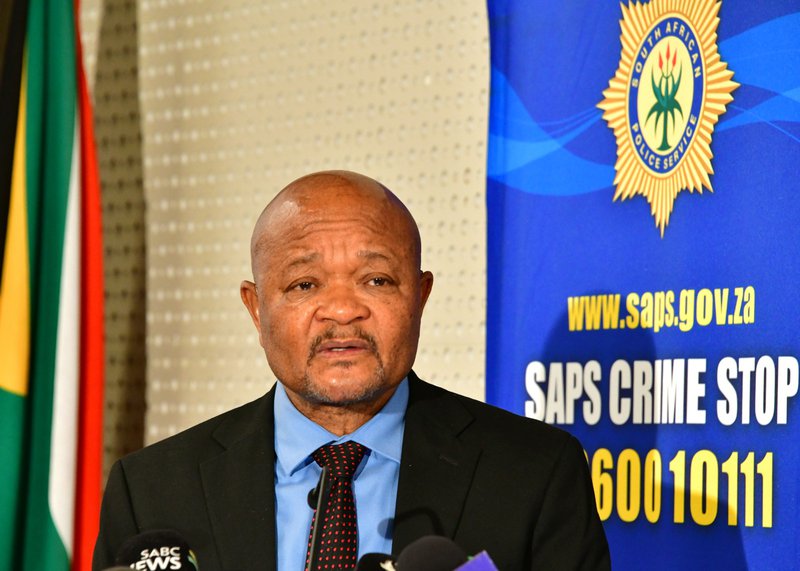
Image Source: https://www.jacarandafm.com/
Published By Everything ZA News
In a dramatic address to parliament, Police Minister Mchunu unveiled a war chest aimed at dismantling the criminal underbelly plaguing South Africa. The budget speech crackled with a sense of urgency, outlining a multi-pronged attack with a hefty price tag.
Mchunu, a fresh face at the helm, declared war on organized crime syndicates, vowing to disrupt their nefarious operations and sever the supply chains that fueled violence and instability. This offensive would be spearheaded by a robust intelligence gathering apparatus, with a war chest of R15.1 billion allocated to bolster crime intelligence capabilities over the medium term. Mchunu envisioned a network of dedicated task forces, armed with cutting-edge intel, collaborating seamlessly with other law enforcement agencies to form an impenetrable wall against criminal enterprises. By prioritizing these efforts, Mchunu painted a hopeful picture – a South Africa with significantly reduced drug-related crimes and a more secure environment for vulnerable populations.
But murmurs of doubt rippled through the chamber as seasoned MPs dissected the figures presented. United Democratic Movement MP Nqabayomzi Kwankwa, a seasoned legislator with a keen eye for detail, expressed skepticism. He pointed out the seemingly large headline number for police funding belied a concerning reality – when adjusted for inflation, the actual increase for detective services and crime intelligence was a meager 2% and 3%, respectively. Kwankwa argued that this paltry sum was insufficient to equip the police with the resources needed to fulfill their critical mandate. He painted a grim picture of a police force perpetually under-resourced, struggling to keep pace with the tide of crime.
Kwankwa’s critique went deeper, striking at the very core of Mchunu’s strategy. He lamented that the budget heavily favored visible policing, allocating a staggering R189 billion over three years. While Kwankwa acknowledged the importance of a visible police presence, he argued that this reactive approach was akin to chasing shadows. He emphasized the need for a proactive strategy, one fueled by robust intelligence that allowed the police to anticipate and prevent crimes before they unfolded. The current allocation, Kwankwa argued, left crime intelligence as a neglected stepchild, receiving a mere sliver – less than 5% – of the entire budget. This imbalance, he concluded, condemned communities to live in constant fear, their cries for help unheard amidst the roar of gunshots.
Kwankwa’s personal experience served as a chilling testament to the shortcomings of the current system. In a harrowing account, he recounted his own kidnapping in Khayelitsha, a notorious crime hotspot. The brazen abduction, he emphasized, occurred in broad daylight, on a busy street, a stark reminder of the pervasiveness of crime and the seeming invisibility of the police in these vulnerable areas.
Rise Mzansi MP Makashule Gana echoed Kwankwa’s concerns, highlighting the obscene disparity in resource allocation. Gana pointed out the exorbitant sum – a staggering R2 billion – lavished on VIP protection, while cash-strapped communities were left to fend for themselves. This misplaced priority, Gana argued, sent a clear message – the lives of politicians were deemed more valuable than those of ordinary South Africans. The police, he lamented, lacked the resources to respond to basic calls for help, leaving communities to grapple with a sense of abandonment in the face of rising crime.
The weight of these critiques hung heavy in the air. Mchunu’s ambitious plan, while well-intentioned, faced the daunting challenge of translating lofty pronouncements into tangible results on the ground. The path ahead was fraught with questions that demanded answers – could this budget truly deliver the transformative change South Africa so desperately needed? Would the police force finally be empowered to become a proactive guardian of safety, or would they remain reactive bystanders in a relentless tide of crime? Only time would tell if Mchunu’s bold vision would translate into a South Africa finally free from the shackles of fear.
About The Author