South Africa Debates Affordable Nuclear Power as Answer to Energy Crisis
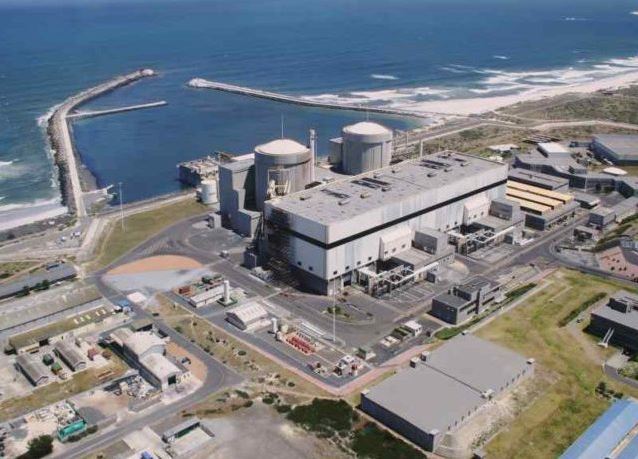
Image Source: South Africa’s Koeberg nuclear power plant via Bjorn Rudner
Published by Everything ZA News
South Africa grapples with a looming decision: will affordable, small modular nuclear reactors be the answer to the country’s energy woes? Energy and Electricity Minister Kgosientsho Ramokgopa is poised to unveil plans for a new 2,500-megawatt power station next month, with a procurement process requiring National Treasury approval by August’s end.
Nuclear energy presents a controversial solution. Independent energy expert Tshepo Mahlaba hails it as “the solution for South Africa’s medium and long-term” needs, citing its status as the “cleanest base load power the world has right now.” However, University of Stellenbosch Professor Mark Swilling throws cold water on the idea, highlighting the lengthy construction timeframe – three years for procurement and a staggering ten years for building.
Cost is another major point of contention. Mahlaba argues that despite higher upfront costs, nuclear becomes cheaper in the long run due to its extended lifespan (over 80 years) compared to renewables like solar, which require replacement every 18 years. He points to France’s stable energy sector as an example of successful nuclear implementation.
However, Swilling emphasizes the speed at which renewables can be deployed, contrasting it with the lengthy nuclear construction process. He highlights the recent reduction in load shedding, crediting improved power station performance, increased renewable energy access, and a surge in rooftop solar installations. Swilling argues that renewables are currently the cheapest option, attracting investment with lower financial risk and higher returns.
Adding another layer of complexity is the geopolitical landscape. Mahlaba acknowledges that South Africa’s close ties with Russia and China, both viewed with suspicion by the West, could influence nuclear procurement decisions. He criticizes the demonization of former president Jacob Zuma’s pursuit of nuclear energy with Russia, comparing it to the dominance of South Africa and New Zealand in rugby.
The debate continues. While some see nuclear power as a clean and long-term solution, others point to its high upfront costs and lengthy construction times. Renewables, on the other hand, offer a faster and cheaper path to increased energy generation, but may not provide the same level of baseload power. South Africa’s energy future hinges on a careful evaluation of these competing options, considering both economic and environmental factors.
About The Author