South African Police Budget Sparks Debate Over Priorities and Spending
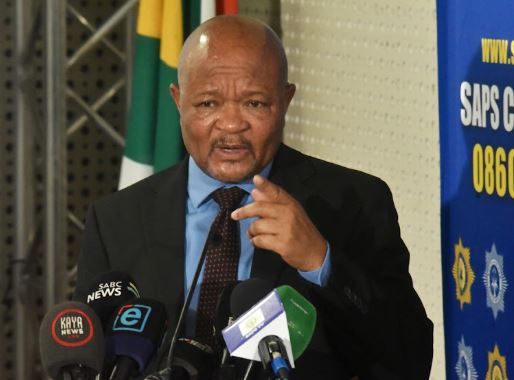
Image Source: Police Minister Senzo Mchunu via Freddy Mavunda
Published by Everything ZA News
JOHANNESBURG — In a pivotal address, Police Minister Senzo Mchunu unveiled a substantial budget aimed at bolstering South Africa’s crime-fighting measures. The R113.5 billion allocated for the next financial year reflects the government’s commitment to modernizing ICT infrastructure, reducing violent crime, and enhancing police visibility. However, the budget has ignited a heated debate regarding the allocation of funds, particularly concerning VIP protection services.
A Robust Budget for Crime-Fighting
Minister Mchunu emphasized the critical need for a comprehensive approach to law enforcement. The South African Police Service (SAPS) is set to receive R113.597 billion for the 2024/25 fiscal year. This figure aligns with the projections made by former Police Minister Bheki Cele, indicating a steady increase in police expenditure, which is expected to reach R114.9 billion by 2025/26.
The budget includes R155.9 million for the Civilian Secretariat for Police Service and R370.5 million for the Independent Police Investigative Directorate. These allocations are aimed at strengthening oversight and accountability within the police force.
Mchunu highlighted that the previous budget periods had facilitated the enlistment of 10,000 new employees annually. For the upcoming financial year, an additional 10,000 police trainees will be appointed to address personnel losses and support workforce growth. Despite this, Mchunu conceded that these numbers fall short when considering population growth and the increasing demands on law enforcement.
Prioritizing Critical Divisions
The budget earmarks R71.3 billion for detective services and R15.1 billion for Crime Intelligence over the medium term. These allocations aim to address the chronic understaffing in key divisions, including detectives and cybercrime units, which have been highlighted in previous reports.
However, a significant portion of the budget—over R2 billion—has been reportedly set aside for VIP protection services, sparking controversy and criticism from various quarters.
Voices of Concern
Critics argue that the allocation for VIP protection is disproportionately high, especially when compared to the funds designated for critical crime-fighting units. Rise Mzansi’s Makashule Gana criticized the imbalance, noting the prevalence of security vehicles guarding politicians versus the visible policing vehicles available at police stations. “Would you say this is fair, or are some people more equal than others?” Gana asked.
Similarly, Build One South Africa’s (Bosa’s) Nobuntu Hlazo-Webster described the country as “a nation under siege” and called for a reallocation of funds to address pressing crime and corruption issues. “Bosa wishes to unequivocally denounce the celebrity-like treatment of politicians that we have in this country,” she stated, urging Mchunu to review and reduce VIP protection spending.
The National Coloured Congress’ Fadiel Adams echoed these sentiments, deeming it “unthinkable” to allocate more to the protection of 72 VIPs than to Crime Intelligence.
A Call for Reform
David Skosana of uMkhonto Wesizwe called for a new era of policing in South Africa, rooted in public trust. He stressed the need for more funding for Crime Intelligence and detectives, also raising concerns about unresolved investigations, such as the death of former Portfolio Committee on Police chair Tina Joemat-Pettersson.
Mchunu’s Response
In response to the debate, Minister Mchunu acknowledged the priority of ensuring safety in South Africa and promised to consider the diverse views and input presented. However, he did not directly address the criticisms regarding VIP protection spending during the parliamentary debate.
As the budget moves forward, the government faces the challenge of balancing the need for effective crime-fighting measures with the demand for transparency and equitable resource allocation. The outcome of this debate will shape the future of law enforcement and public safety in South Africa.
About The Author