Inflation Outlook Brightens Case for South African Rate Cut
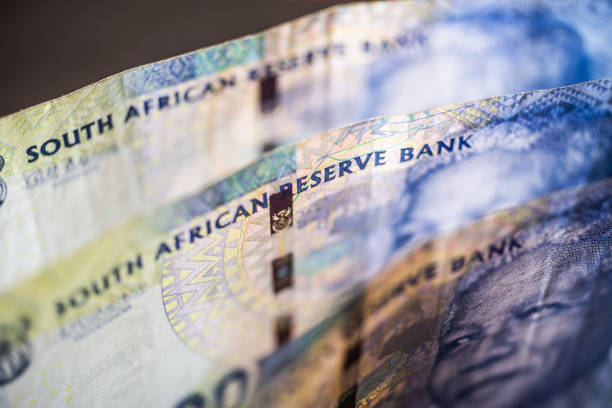
South African 100 rand banknotes against a black background in South Africa. Photographer: Waldo Swiegers/Bloomberg
Johannesburg, South Africa – The South African Reserve Bank (SARB) is poised to deliver another interest rate cut next month as inflation is set to fall below 4% for the first time in over three years. The latest Bloomberg survey forecasts consumer prices to rise by 3.8% year-on-year in September, well below the central bank’s target range of 3% to 6%.
A combination of factors, including softer oil prices, moderating food costs, and a stronger rand, has contributed to the easing price pressures. The South African currency has appreciated significantly against the dollar since the formation of a business-friendly governing alliance in June.
While most economists anticipate a quarter-point rate reduction in November, some are calling for a more aggressive half-point cut. Patrick Buthelezi, economist at Sanlam Investments, believes there is sufficient room for the SARB to lower rates further, especially given the projected decline in inflation to 3% by the end of the year.
However, the SARB is likely to proceed cautiously, influenced by the recent stance of the US Federal Reserve. While the US central bank has cut rates by a half-point, some policymakers have urged for a more gradual approach. Frank Blackmore, lead economist at KPMG, suggests that the SARB may prefer a more measured pace of rate reductions, similar to its approach in the past.
The SARB’s bi-annual monetary policy review indicated that financial markets are pricing in another quarter-point cut next month, aligning with the central bank’s macroeconomic outlook. However, the likelihood of a larger cut is seen as relatively low.
The SARB is also mindful of potential risks, such as escalating conflicts in the Middle East, which could impact oil prices and push inflation upwards. Blackmore warns that a surge in oil prices could necessitate a reversal of the current easing cycle.
Overall, the improving inflation outlook strengthens the case for a further rate cut in South Africa. However, the central bank is likely to exercise caution and consider both domestic and global economic factors before making its decision.
About The Author