Food Price Relief: Egg and Bread Prices Show Declines, But Sunflower Oil Still Soars
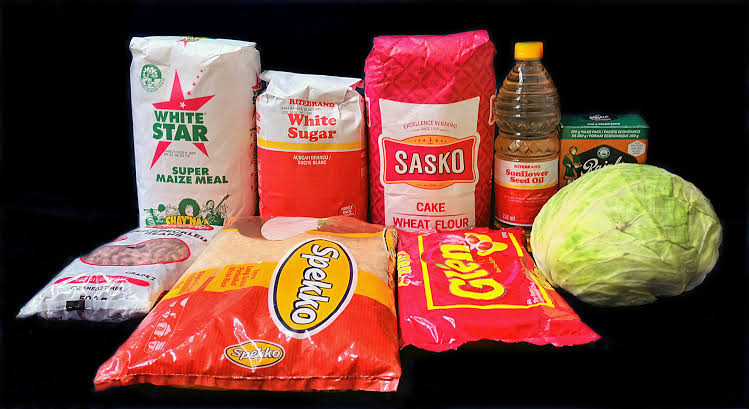
Image source: South African Food Lab
Recent updates highlight a favorable trend in the pricing of key food items, with notable reductions in the costs of canned pilchards, maize, and eggs. However, sunflower oil remains the product with the highest recorded prices since 2021. According to the latest Essential Food Price Monitoring Report by the Competition Commission, which examines food prices across various sectors, while some prices are dropping, the process is gradual.
The Competition Commission views this development as a promising indication that pressure on specific food prices is beginning to ease. As a result, producers and retailers are adjusting their pricing strategies to reflect these changes. Since the start of the COVID-19 pandemic, the Commission has consistently tracked essential food prices to better understand market behavior.
The Commission’s observations have centered on prominent food items that have sparked public concerns, such as sunflower oil, brown bread, eggs, individually quick-frozen (IQF) chicken, and maize meal. The 12th installment of the Essential Food Price Monitoring Report shows that egg prices have declined compared to November 2023 levels, signaling a recovery within the egg production sector. This improvement has been bolstered by government and private sector initiatives aimed at stabilizing food prices.
Siyabulela Makunga, spokesperson for the Competition Commission, noted, “The main goal of this inquiry was to comprehensively investigate the costs associated with food products such as sunflower oil, brown bread, eggs, canned pilchards, and maize meal. This represents the 12th installment of our essential food pricing monitoring report, which coincides with the annual recognition of World Consumer Rights Day and Human Rights Day, observed on March 15th and 21st, respectively.”
The report also emphasized positive news regarding eggs and highlighted a drop in the average retail price of brown bread during the review period. Additionally, over the past six months, the gap between producer prices and retail prices for canned pilchards has exhibited a declining trend, demonstrating a careful approach by producers and retailers in setting prices.
Makunga added, “Currently, the prices at which egg producers are selling their goods are lower than those in November 2022. The declining trend in the producer-to-retail price spread of canned pilchards illustrates the commitment of both producers and retailers to effectively manage their pricing.”
Despite these optimistic developments, the report identified challenges within the white maize market, where increasing prices have not yet been fully reflected in higher producer and retail prices. The Competition Commission pointed out obstacles facing the 2024/25 maize marketing season, primarily due to dry conditions experienced from February to March 2024. This critical period for crop development requires attention to safeguard food security.
About The Author