Trump’s 18% Tariff on Zimbabwean Exports Faces Reciprocal Response
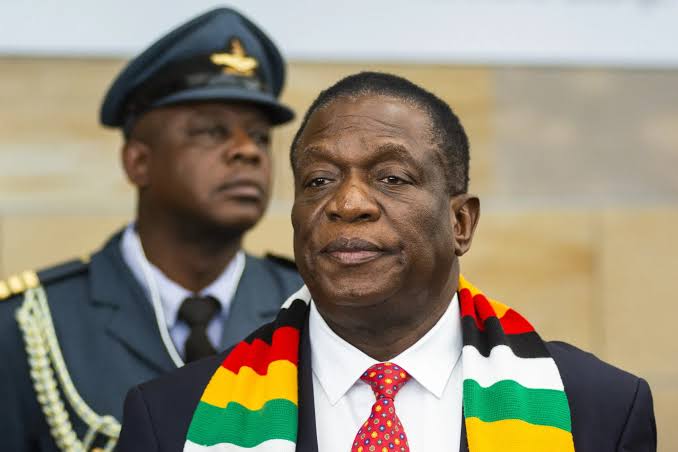
Image source: Bloomberg
On Saturday, Zimbabwe’s President Emmerson Mnangagwa announced the removal of all tariffs on imports from the United States, signaling a notable change in the nation’s trade strategy. This decision follows U.S. President Donald Trump’s recent introduction of an 18 percent tariff on Zimbabwean exports, a move that has sparked concerns about the stability of trade relations between the two countries.
In a post shared on X, formerly known as Twitter, Mnangagwa described the tariff removal as a calculated step to establish a “mutually beneficial and positive relationship” with the Trump administration. He highlighted that the initiative aims to encourage the inflow of American goods into Zimbabwe while simultaneously supporting the export of Zimbabwean products to the U.S. This policy aligns with Zimbabwe’s broader objective of enhancing its global trade partnerships, despite the challenges posed by the new U.S. tariffs.
According to 2024 trade data, the total exchange of goods between Zimbabwe and the United States amounted to $111.6 million, a relatively small figure compared to Zimbabwe’s trade with its key partners, including the United Arab Emirates, South Africa, and China. Zimbabwe’s exports to the U.S. are primarily agricultural products such as tobacco and sugar, which are now subject to higher costs due to the 18 percent tariff.
The announcement has elicited varied reactions from experts and stakeholders. Tendai Mbanje, a political analyst based in Harare, expressed doubts about the benefits of the tariff suspension for Zimbabwe. Speaking to AFP, Mbanje remarked that the policy is likely to favor the United States more than Zimbabwe, given the disparity in trade volumes and the limited range of Zimbabwean exports to the U.S. This perspective underscores the complexities of trade negotiations, particularly for smaller economies like Zimbabwe that often face unequal dynamics in global markets.
The broader consequences of Mnangagwa’s decision have also sparked debate. Prominent journalist and activist Hopewell Chin’ono criticized the move as a “knee-jerk reaction,” suggesting it might be an attempt to curry favor with the U.S. and potentially ease sanctions targeting Zimbabwean leaders. Chin’ono also warned that such unilateral actions could undermine regional economic collaboration, particularly within the Southern African Development Community (SADC), and strain Zimbabwe’s relationships with its primary trade partners.
Zimbabwe’s relationship with the United States has long been marked by tension, stemming from years of sanctions and political disputes. Although Washington lifted its comprehensive sanctions program last year, targeted measures against Mnangagwa and other senior officials remain in place, citing allegations of corruption and human rights violations. Mnangagwa has previously denounced these sanctions as “illegal and unjustified,” reflecting the ongoing strain in bilateral relations.
As Zimbabwe implements this new trade policy, questions persist about its long-term effects on the nation’s economy and its ability to maintain balanced relationships with both Western and non-Western partners. While the removal of tariffs on U.S. goods may create new trade opportunities, it also raises concerns about potential repercussions for Zimbabwe’s domestic industries and its regional alliances.
About The Author