Tinubu’s Bold Oil Reforms Aim to Revitalize Nigeria’s Energy Sector
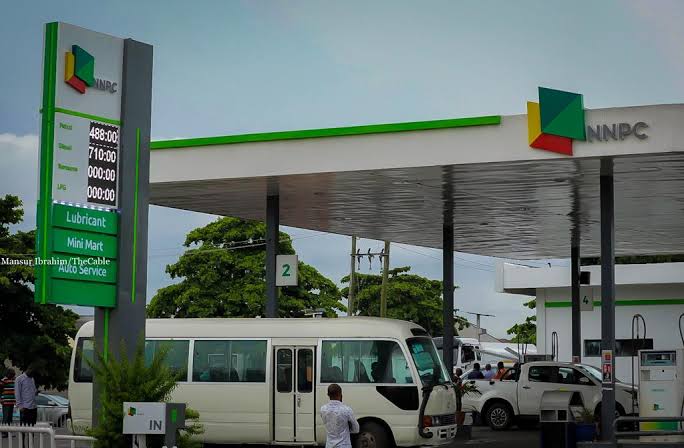
Image source: TheCable
President Bola Tinubu’s administration is implementing a set of substantial reforms to address the problems facing Nigeria’s oil industry. These actions involve the introduction of fiscal incentives for oil and gas ventures, streamlining contracting procedures, and promoting cost efficiency in local content requirements. The government has established a goal to raise oil production to 2 million barrels per day by 2027 and to 3 million by 2030, while also enhancing domestic refining capabilities.
The “Naira for Crude” program, a significant policy initiative, allows local refineries to purchase crude oil using naira rather than foreign currency. This program seeks to reduce Nigeria’s dependence on foreign exchange, stabilize the naira, and promote local refining efforts. However, despite its possible advantages, the program has faced challenges, including logistical issues and coordination difficulties between upstream producers and downstream operators.
Tensions have escalated between the Nigerian National Petroleum Corporation (NNPC) and Aliko Dangote’s refinery due to the halt of the naira-for-crude agreement. This suspension has led to elevated gasoline prices and heightened worries about the affordability of domestically refined petroleum products. Dangote’s refinery, a $20 billion investment, has been pivotal in transforming Nigeria’s downstream sector but is facing challenges in obtaining adequate crude supply.
The recent dismissal of eleven NNPC executives and the appointment of Bayo Bashir Ojulari as the new managing director reflect a larger strategy directed at restoring the organization’s integrity. The new leadership team is tasked with addressing inefficiencies, enhancing transparency, and promoting operational excellence.
These reforms are vital for reversing the decline in national oil production and addressing Nigeria’s broader economic challenges. The administration’s effectiveness in executing these changes will be critical for influencing the country’s path toward energy self-sufficiency and economic recovery.
About The Author