The Foreigner Crackdown: A Nation Turns Inward
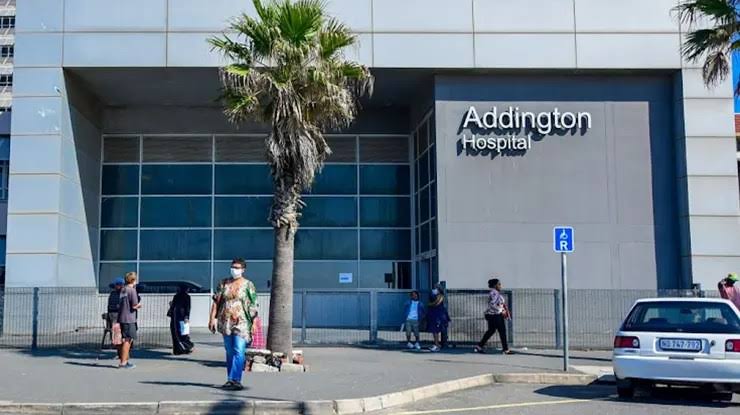
A self-proclaimed citizen task force has issued a chilling message: after hospitals, their focus will shift to schools and local businesses.
Operating under the banner “March and March,” the group has for over a month taken control of the entrance to Addington Hospital in Durban, allegedly screening individuals based on nationality. Anyone they deem to be non-South African is turned away, and even those with ID documents face questioning and potential denial of access.
This movement, now gaining traction in both Durban and Johannesburg, shows no signs of slowing. Organisers have openly stated their intent to extend these actions to other provinces, fuelling a wave of rising xenophobic tension across the country.
Durban tensions continue to escalate in KwaZulu-Natal as anti-migrant enforcers intensify their campaign against foreign nationals using public services. At the centre of this storm is Teresa Nortje, a vocal figure in the movement, who accuses undocumented immigrants of overwhelming state hospitals and draining public resources.
Standing alongside activists blocking the entrances of Addington Hospital, Nortje claimed their on-the-ground monitoring revealed that roughly three out of four patients at the facility were in South Africa illegally.
“This place is supposed to serve our people,” Nortje told reporters. “We’re not here to spread hate we’re demanding that the government put South Africans first. The Constitution talks about ‘everyone’ having a right to health care, but does ‘everyone’ mean those who came here with no documentation, no income, and no plan?”
Nortje insists that only legal residents with work permits, visas, or medical insurance should access care and even then, only in private health institutions. Refugees and asylum seekers, she says, are also being turned away at protest lines as part of the pressure campaign.
“No one is saying people don’t deserve help. But if you’re here legally, use your private insurance. If you’re here illegally, you shouldn’t expect South African taxpayers to foot the bill. That’s not sustainable.”
As confrontations mount at key public facilities, concerns grow over the safety and human rights of foreign nationals and the silence from national government only adds fuel to an already volatile situation.
In a move that has sparked outrage and deepened fears over rising xenophobia, members of an anti-migrant coalition reportedly including affiliates of Operation Dudula have taken their campaign to the gates of public health facilities.
Leading the charge is Teresa Nortje, who claims their initiative is backed not only by Operation Dudula but also by what she terms “progressive forces,” among them certain political parties and civic groups. The goal, she says, is to reclaim public services for South African citizens.
Every day before dawn, Nortje and her group arrive at Addington Hospital in Durban. By 5am, they’re stationed at the entrances. According to her, some foreign nationals attempt to beat the blockade by arriving as early as 3am, hoping to sneak in before the group assembles but their efforts are often thwarted.
“We see what’s happening. They try to outsmart us, but we’re always there,” Nortje said.
Despite criticism, she insists the group operates with a level of restraint. “A woman came to us at nine months pregnant. She was on the verge of giving birth we didn’t stop her. But her husband had no documentation and refused to show any form of ID, so we didn’t let him in.”
The group’s actions have raised serious ethical and legal concerns, with critics accusing them of taking the law into their own hands and turning hospitals into hostile zones for the vulnerable. But Nortje is unapologetic, claiming their presence is necessary to “protect resources for South Africans.”
As this campaign intensifies, public outrage and political tension continue to grow raising urgent questions about the role of grassroots movements, the limits of protest, and the humanitarian cost of aggressive border politics playing out on hospital doorsteps.
About The Author