Procedural Day for Gigaba: Former Minister Back in Court for Transnet Probe
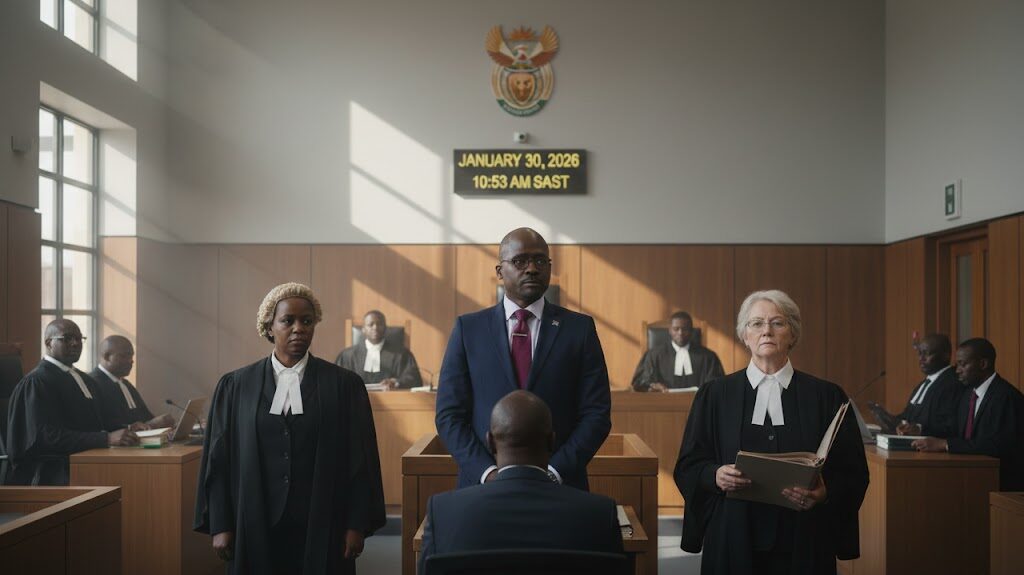
JOHANNESBURG – The halls of the Palm Ridge Specialised Commercial Crimes Court saw a familiar face this morning as former Public Enterprises Minister Malusi Gigaba made a brief, high-stakes appearance. While his legal team characterized the day’s events as “purely procedural,” the atmosphere outside the courtroom signaled that the shadow of State Capture continues to loom large over South Africa’s political landscape in 2026.
The Core of the Allegations
The proceedings are a direct fallout from the exhaustive investigations into Gupta-linked corruption at Transnet, the state-owned freight and logistics giant. The state alleges that during Gigaba’s tenure as Minister of Public Enterprises between 2010 and 2014, pivotal decisions were made that facilitated the siphoning of billions of Rands through inflated contracts—most notably the controversial multi-billion Rand locomotive deal.
The National Prosecuting Authority (NPA) has spent years piecing together a complex web of “kickbacks” and “consulting fees” that allegedly flowed from state coffers into private accounts.
A Quiet Day in Court
Unlike the high-drama testimonies seen during the Zondo Commission years, today was marked by legal formalities. No plea was entered, and no new witnesses were called to the stand. Instead, the session focused on the exchange of dockets and the finalization of the trial timetable.
Gigaba’s lead counsel addressed the media briefly on the court steps, maintaining the former minister’s long-standing position:
“Our client has remained consistent. He has cooperated with every legal request and continues to maintain his innocence. Today was about ensuring that the administrative requirements of the law are met so that this matter can eventually be brought to its conclusion.”
The Broader Political Context
Gigaba’s return to court comes at a delicate time for the governing party. As the 2026 local government elections approach, the judiciary’s handling of State Capture-era officials remains a “litmus test” for the country’s commitment to accountability.
Critics of the NPA have frequently pointed to the slow pace of prosecutions, but supporters argue that the complexity of white-collar crime on this scale requires meticulous preparation to avoid “legal loopholes” during the main trial.
What Happens Next?
The matter has been postponed to April 2026 for further pretrial conferencing. While the legal wheels turn slowly, the Transnet probe remains one of the most significant cases in the NPA’s portfolio, representing a crucial attempt to recover lost public funds and restore the integrity of South Africa’s state-owned enterprises.
As the former minister departed the court precinct in a private vehicle, it was clear that while today was “procedural” for the lawyers, for the South African public, it was another chapter in the ongoing pursuit of justice for the era of State Capture.
About The Author