Cape Town CBD Leads South Africa’s Premium Housing Revolution as Investors Bet on Urban Living
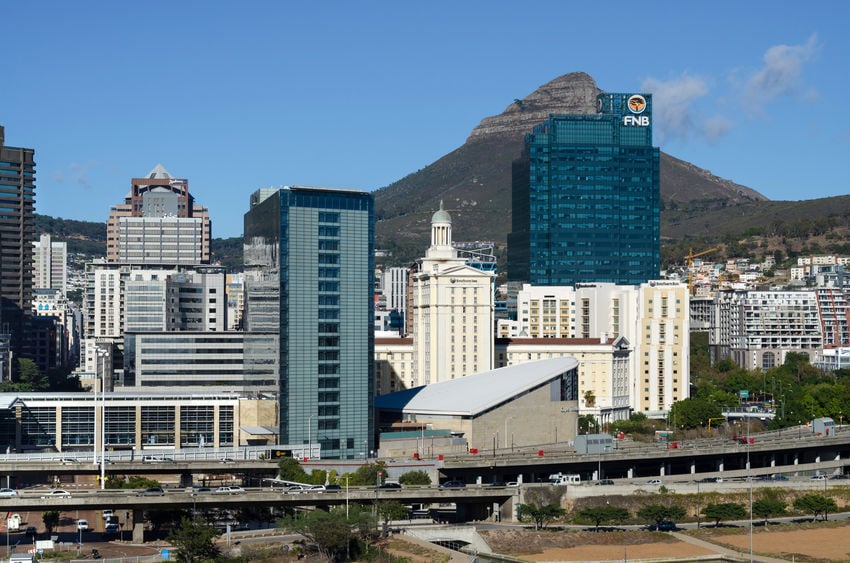
Image Source: EWN
By Mpho Tumelo Modise | EZA News
A quiet but significant transformation is underway in Cape Town’s central business district. Once the preserve of office towers, corporate headquarters, and weekend foot traffic, the Cape Town CBD is emerging as the epicentre of a premium residential property revolution — one that is attracting both local and international investors and reshaping the way South Africans think about urban living.
The shift reflects a broader global trend toward high-density, amenity-rich city living that has accelerated since the Covid-19 pandemic dismantled old assumptions about where people want to be and how they want to live. South Africa has been slower than many comparable economies to embrace this transition, but Cape Town — consistently ranked among Africa’s most liveable cities and a magnet for the growing digital nomad economy — has emerged as the country’s most compelling proof of concept.
Developers are responding to demand that a few years ago would have been difficult to predict: high-end apartments with panoramic views of Table Mountain and the Atlantic seaboard are being absorbed quickly by buyers who want proximity to business, culture, and connectivity without the security anxieties that come with dispersed suburban living. The result is a micro-boom in the upper residential tier of the city centre that stands in stark contrast to the affordability crisis gripping the broader South African property market.
The business case for this investment is clear. Cape Town consistently outperforms the national property market on both price appreciation and rental yield — a function of supply constraints, planning infrastructure, and the city’s attractiveness to a global professional class that brings foreign currency earnings. For investors, the premium housing segment in the CBD represents a relatively liquid, internationally legible asset in a country where such assets are rare.
The harder question is what this revolution means for the hundreds of thousands of Cape Town residents who cannot afford to participate in it. As the CBD becomes increasingly premium-oriented, pressure on affordable housing in surrounding areas intensifies. The same forces attracting investment to the city centre are, through rising land values and competition for limited space, making working-class proximity to economic opportunity more precarious. Any honest account of the Cape Town property boom must hold both realities simultaneously: the dynamism is real, and so is the exclusion it accelerates.
About The Author