Former Emfuleni Fleet Manager Arrested Over Alleged R16 Million Municipal Tender Fraud
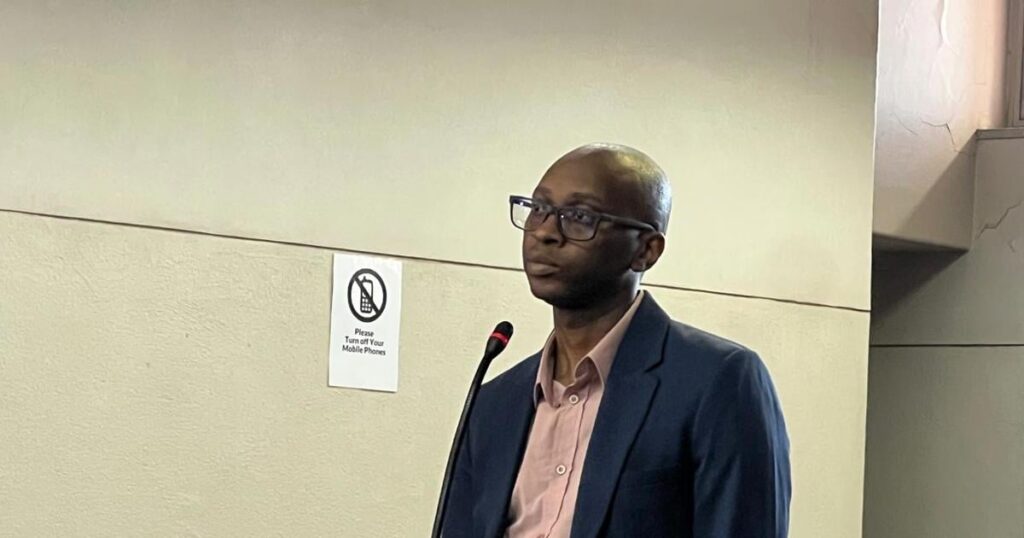
Image Source: EWN
By Mpho Tumelo Modise | EZA News
A former fleet manager at the Emfuleni Local Municipality has been arrested on charges of fraud and corruption in connection with an alleged R16 million vehicle fleet tender – a case that illustrates with painful precision the anatomy of municipal corruption and the consequences it imposes on communities that depend on functional local government.
The core allegation is straightforward in structure, though devastating in implication: a contract for 18 vehicles was awarded and paid, but only seven vehicles were delivered. The municipality – and by extension, the residents of Emfuleni – paid for 18 units of operational capacity and received fewer than half. The remainder of the R16 million, prosecutors will argue, flowed through mechanisms designed to obscure its final destination.
Emfuleni Local Municipality has been the subject of sustained scrutiny for years. The municipality, which serves a large population in the Sedibeng district of Gauteng, has struggled with governance failures, service delivery breakdowns, and financial management that prompted national government intervention. Corruption in procurement – of the kind this arrest points to – is not a peripheral issue in this context. It is the mechanism through which municipalities that should be delivering services instead haemorrhage public money into private hands while residents wait for basic infrastructure that never materialises.
The arrest represents a step in the right direction for accountability. The Hawks, which is managing the case, has established a pattern of focus on municipal-level corruption in Gauteng that suggests operational attention to this tier of government rather than exclusive focus on the more visible and politically complex state capture cases at national level.
But an arrest is not a conviction. The case must now proceed through a court system that is under its own pressures – of case backlog, of resource constraint, and of the difficulty of prosecuting complex fraud matters that require forensic accounting expertise and extended evidentiary processes. The community of Emfuleni, and the broader public watching South Africa’s accountability infrastructure perform, will be measuring outcomes not only by arrest but by consequence.
About The Author