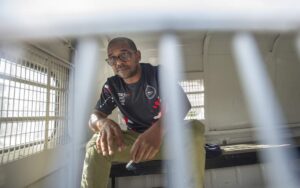
‘Cat’ Matlala and Four Co-Accused Deny All 25 Charges as High-Profile Hit Trial Finally Opens
By Mpho Tumelo Modise | EZA News
After months of pre-trial manoeuvrings, collapsed plea negotiations in a related case, and the kind of procedural delays that have become grimly routine in South Africa’s most complex criminal proceedings, alleged underworld kingpin Vusimuzi ‘Cat’ Matlala, his wife, and three co-accused have finally stood in the Johannesburg High Court to answer a 25-count indictment – and they deny everything.
The charges relate to what prosecutors allege was an orchestrated hit on Joe ‘Ferrari’ Sibanyoni, the details of which have already attracted significant public attention. The trial is expected to be among the most watched criminal proceedings of the year, drawing together threads of organised crime, alleged contract killing, and the murky intersection between underworld networks and figures with access to law enforcement environments.
Day one of the substantive proceedings did not disappoint those watching for the particular theatre of high-stakes criminal litigation. The state sought to play video footage captured at the scene of the Centurion ambush through its first witness – a move immediately and simultaneously challenged by all five defence teams. Judge Cassim Moosa upheld the objection, ruling that the footage must first be authenticated before it can be presented through an initial witness. It is a procedural ruling that has potentially significant implications for the sequencing and pacing of the state’s case.
The first witness also came under robust cross-examination as defence counsel challenged the account of the shooting. The defence appears to be constructing a strategy that attacks the reliability and provenance of evidence before the state has the opportunity to establish its chain of custody – a legally sound approach in a case where the evidence base is likely to be contested at every junction.
For those following South Africa’s organised crime landscape, the ‘Cat’ Matlala trial matters beyond the specific facts alleged. It is a test of whether the National Prosecuting Authority can sustain a complex prosecution against well-resourced defendants over the time it will take to present 25 charges in full. Previous high-profile organised crime prosecutions have foundered not because the cases were legally weak but because the institutional commitment to see them through to conclusion was not matched by consistent resourcing and attention. This case will be watched for both the legal arguments and the institutional performance behind them.
About The Author