Agrizzi Asks Madlanga Commission to Testify Under Witness Protection – Alleges Political Interference in Bosasa Probe
By Mpho Tumelo Modise | Editor-in-Chief, EZA News
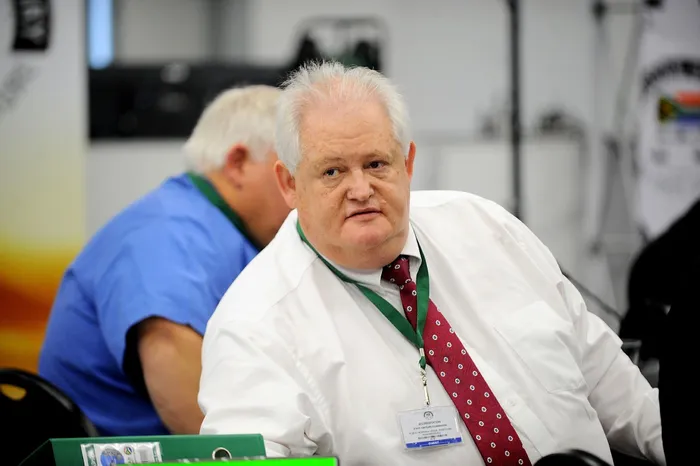
Former Bosasa chief operating officer and state whistleblower Angelo Agrizzi has formally requested to appear before the Madlanga Commission under witness protection, claiming he holds fresh sworn evidence pointing to political interference in the investigation and prosecution of the Bosasa corruption scandal – interference he alleges extended to the Hawks, the National Prosecuting Authority, and the Independent Directorate Against Corruption.
The request lands at a moment of particular volatility for the Madlanga Commission itself. Over the past week, the inquiry has been consumed by the testimony of Independent Directorate Against Corruption chief Andrea Johnson, whose appearances have been marked by retractions, contradictions, and a pattern of shifting accountability that has drawn sharp questioning from commissioners. On Thursday, Johnson admitted she had authorised a full investigation into a controversial 2024 appointment without personally reviewing the qualifying documents – a disclosure that immediately prompted scrutiny of her earlier testimony. Her explanation that IDAC chief investigator Dylan Perumal was responsible for adding extra names to the investigation scope before she authorised it did not close the matter; it deepened it.
Into this already unsettled evidentiary landscape, Agrizzi’s request introduces a potentially significant layer. Bosasa – now operating under the name African Global Operations – became one of the central cases in South Africa’s post-Zuma accountability reckoning. The company’s alleged web of corruption involving prison services, government tenders, and political payments was documented extensively at the Zondo Commission. What Agrizzi is now alleging is that the criminal justice system’s response to that documentation was itself corrupted – that the very institutions charged with converting commission findings into prosecutions were subject to political influence.
The request for witness protection is not a procedural formality. It signals that Agrizzi, whose previous cooperation with investigative bodies has come at personal cost, believes the risks attached to his testimony remain live. Whether the Commission grants that request, and under what conditions, will shape what can actually be heard.
The Madlanga Commission sits at the intersection of accountability, intelligence governance, and the credibility of South Africa’s investigative infrastructure. Agrizzi’s application, if accepted, has the potential to extend its reach considerably.
About The Author