Africa’s Biggest Music Festival Reveals 2026 Lineup as Mzansi’s Live Music Scene Rebounds
By Lerato “Lulu” Khumalo | Culture & Trends Editor, EZA News
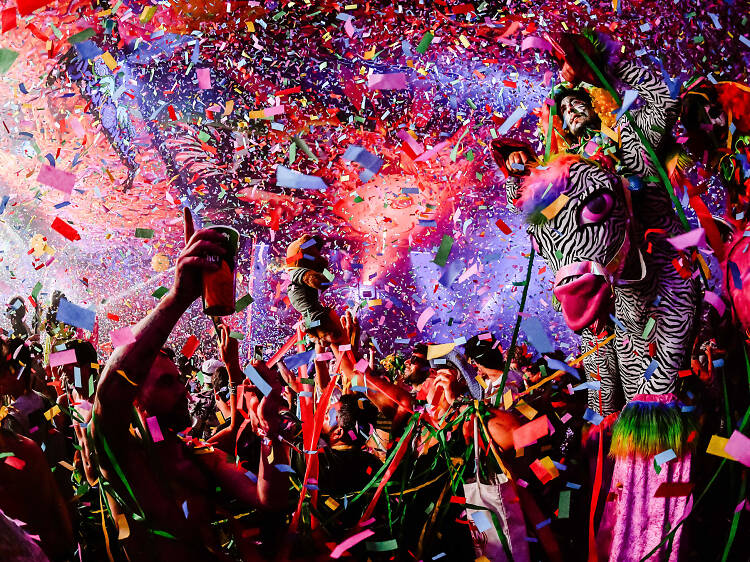
One of Africa’s largest music festivals has announced its 2026 lineup, revealing a programme that brings together top international artists alongside the finest names in South African, West African, and East African music – a booking strategy that reflects both the commercial confidence of the South African live events industry following its pandemic-era near-collapse and the genuine global interest in African music that has made Africa-rooted festival programming commercially viable in a way it has never been before.
The South African live music sector’s recovery from the pandemic has been remarkable in its pace and its depth. The period between 2020 and 2022 came close to destroying an industry that had been built over decades – venues that had operated for thirty years closed permanently, promoters went bankrupt, touring infrastructure dissolved, and the communities of technicians, production staff, and support workers who make live music events function were dispersed into other forms of employment, many of them never to return. What has emerged on the other side of that devastation is an industry that is, in several important respects, structurally different from what preceded it.
The major festivals that have survived and grown in the post-pandemic period are operating at higher production values than their predecessors, drawing international booking attention that reflects the global rise in visibility of South African music across streaming platforms, and attracting multi-day attendance figures that suggest a live music culture that has not just recovered but deepened. South African audiences, having gone without live music for the better part of two years, returned to venues and festivals with an appetite and an engagement that the industry’s most optimistic projections had not fully anticipated.
The 2026 festival lineup – with its mix of international headliners and the best of African music talent – represents the maturation of that recovery into genuine ambition. A South African-hosted festival that can credibly book across the full spectrum of African music, from Afrobeats to amapiano to Afrojuju to the South African jazz and gospel traditions, is a genuinely different proposition from the South African festivals of the early 2000s that leaned heavily on international artists to drive ticket sales and treated local talent as the warm-up act. The reversal of that hierarchy, which has been happening gradually and is now visible in booking strategies of this scale, is one of the more significant cultural shifts in South African entertainment of the past decade.
Tickets are live. Get in before the inevitable sellout conversation starts dominating your timeline.
About The Author