Witness in Former Defence Minister’s Corruption Trial Reveals Anonymous Threat: “Watch Out”
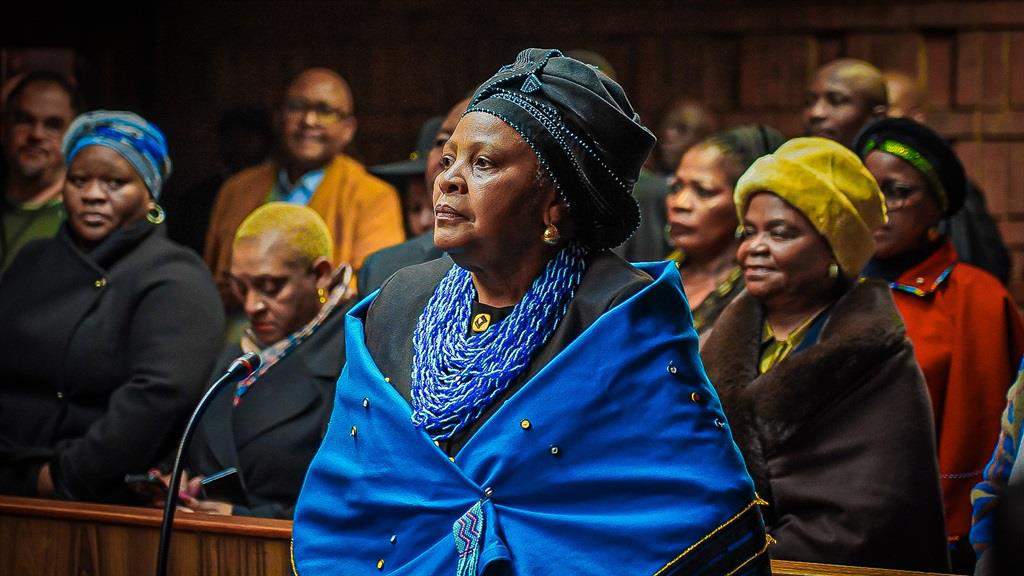
By Mpho Tumelo Modise | Editor-in-Chief, EZA News
In a development that casts a shadow of intimidation over one of South Africa’s most significant ongoing corruption prosecutions, a witness in the trial of a former defence minister has testified to receiving an anonymous threat. The message was simple, unambiguous, and chilling in its directness: “Watch out.”
The disclosure, made in open court, is significant for several reasons that extend beyond the individual case. Witness intimidation in high-profile corruption matters is not a new phenomenon in South Africa – the State Capture era produced numerous documented instances of witnesses being approached, pressured, and in some cases harmed before they could testify. What matters here is that a witness chose to place the threat on the record rather than withdraw from proceedings, and that the court is now required to treat the protection of that witness as a matter of active judicial management rather than routine administration.
The circumstances and identity of the former defence minister involved in the trial remain the subject of ongoing court proceedings. What is clear is that the prosecution of senior political figures for corruption – a category of cases that the Zondo Commission identified as central to South Africa’s accountability imperative – continues to operate in an environment where those who participate as witnesses face personal risk that the state must be seen to take seriously and prevent.
The Directorate for Priority Crime Investigation has been placed on notice of the threat. Whether this triggers a formal witness protection application will depend on the assessment of risk conducted in the coming days. South Africa’s witness protection framework, governed by the Witness Protection Act, provides for relocation and security measures in cases where the threat is assessed as credible. The threshold for activating those measures, and the speed with which the system responds, will be watched closely by legal observers and civil society organisations monitoring the integrity of the prosecution.
A democracy’s accountability system is only as strong as its ability to protect those willing to testify against power. That principle is now being tested in real time.
About The Author