Africa Braces for Brutal Heat as Global Temperatures Hit Record Highs
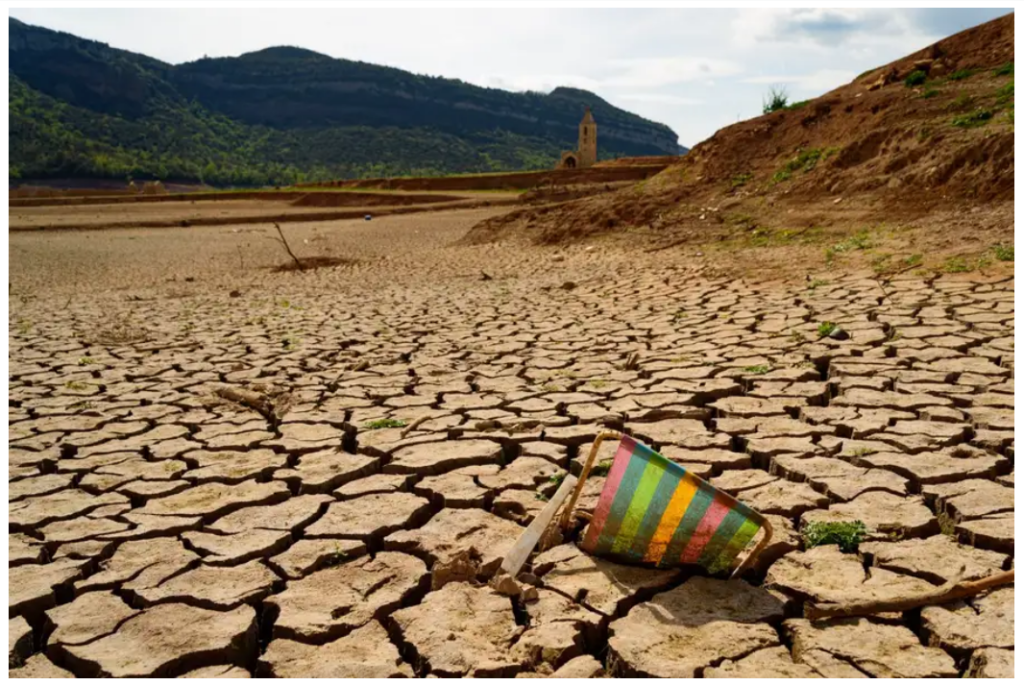
The scorching grip of climate change continues to tighten, with April 2024 marking the hottest month ever recorded globally. This alarming trend raises concerns for African nations, particularly Morocco, which could face a continuation of the brutal heat. Image Source: Getty Images
Published By Everything ZA News
Record-Breaking Temperatures
Data from the Copernicus Climate Change Service (C3S) confirms that April 2024 surpassed all previous records for global average temperatures. The average surface air temperature reached a staggering 15.03°C, exceeding the 1991-2020 average for April by a significant 0.67°C. This isn’t an isolated event; April marks the eleventh consecutive month of record-breaking global temperatures.
Impact on Africa
While the effects of climate change are felt worldwide, Africa is particularly vulnerable due to its geography and economic dependence on agriculture. Morocco, with its proximity to the Sahara Desert, is a prime example. The country already experiences scorching summers, and rising temperatures could exacerbate droughts, wildfires, and food insecurity.
Concerns for Morocco
Morocco’s agricultural sector, a crucial pillar of the economy, is heavily reliant on predictable weather patterns. Rising temperatures and erratic rainfall threaten crop yields and endanger food security for millions. Additionally, extreme heat events can strain water resources, leading to water shortages and sanitation issues.
Looking Ahead
The record-breaking temperatures in April serve as a stark warning of the intensifying climate crisis. Experts predict that Africa will experience some of the most severe consequences of climate change.
Here’s what we can expect:
- Increased Frequency and Intensity of Heatwaves: Morocco, and other parts of Africa, can expect more frequent and intense heatwaves, further straining infrastructure and human health.
- Drought and Water Scarcity: Rising temperatures and erratic precipitation patterns are likely to exacerbate existing water shortages and threaten agricultural productivity.
- Sea Level Rise: Coastal areas in Morocco are vulnerable to rising sea levels, threatening infrastructure, tourism, and displacing communities.
Urgent Action Needed
Addressing climate change requires a global effort. Developed nations, who are major contributors to greenhouse gas emissions, must take significant steps to reduce their carbon footprints. Additionally, African countries need support in building resilience to climate change impacts through adaptation strategies like improved water management practices and drought-resistant crops.
While the future seems bleak, international cooperation and a commitment to sustainability offer a glimmer of hope. By taking decisive action now, we can mitigate the worst effects of climate change and ensure a more secure future for Africa and the world.
About The Author