Sahel States Forge Military Alliance, Raising Questions About Regional Security
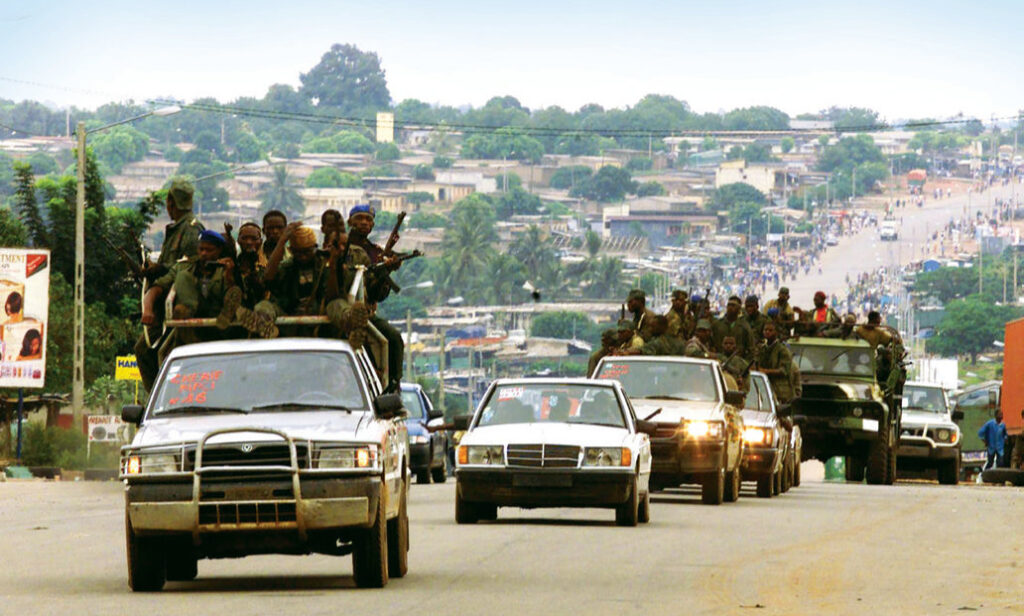
Image Source: Since West African nations gained independence, economic underdevelopment and grievances blamed by some on colonial rule have contributed to successive military coups. (AFP file)
Published By Everything ZA News
West Africa is witnessing a shift in the balance of power with the formation of a new military alliance – the Alliance of Sahel States (AES). Led by Mali, Burkina Faso, and Niger, the AES comes on the heels of a series of military coups in the region and marks a potential break from the traditional West African security architecture.
The roots of the AES lie in the recent political turmoil that has swept across the Sahel. Mali, Burkina Faso, and Niger have all experienced military takeovers in the past three years, leading to strained relations with the Economic Community of West African States (ECOWAS). ECOWAS, a regional bloc that promotes democracy and good governance, has imposed sanctions on Mali and Niger in response to the coups.
The formation of the AES suggests that the Sahel nations are seeking a more independent approach to security. The region faces ongoing violence from extremist groups, and the military leaders may believe a unified front is necessary to combat this threat. Additionally, there are reports that the Sahel states are looking to forge new partnerships, particularly with Russia, in place of traditional Western allies.
The effectiveness of the AES remains to be seen. While the three countries share security concerns, building a strong military alliance requires significant time, resources, and a unified vision. Furthermore, their move away from ECOWAS could hinder regional cooperation in tackling shared challenges like extremism and economic development.
The emergence of the AES raises several questions about the future of West African security. Will the alliance effectively address the security threats in the Sahel region? How will it impact the relationship between the Sahel states and ECOWAS? Only time will tell how this new alliance will shape the security landscape of West Africa.
About The Author