Understanding the Maasai: Culture Under Threat
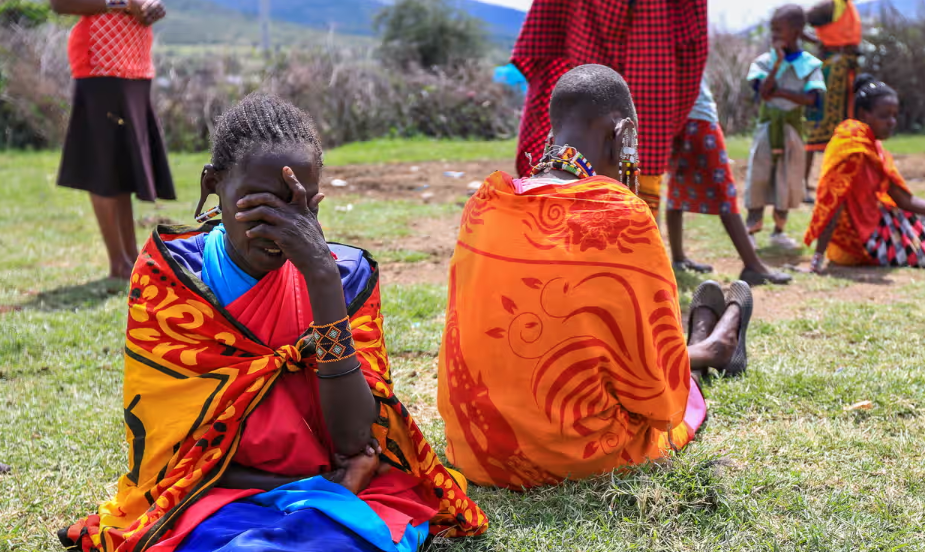
Image Source: theguardian.com
Published By Everything ZA News
The Maasai people of Tanzania have long been known for their rich cultural heritage, traditional way of life, and deep connection to the land. However, recent developments have shed light on a troubling situation unfolding in the country – the forced relocation of Indigenous Maasai communities from their ancestral lands.
For centuries, the Maasai have lived in harmony with the natural environment, practicing pastoralism and maintaining a strong bond with the land. Their traditional way of life revolves around cattle herding, and they rely on access to grazing lands and water sources to sustain their livelihoods. Unfortunately, in recent years, the Tanzanian government has been pushing forward with plans to evict Maasai communities from their lands in the name of conservation and development projects.
One of the most high-profile cases of forced relocation is taking place in the Ngorongoro Conservation Area, a UNESCO World Heritage Site and a critical habitat for wildlife in Tanzania. The Maasai communities living in the area have faced threats of eviction and land dispossession as the government aims to create more space for wildlife conservation and tourism activities.
The Tanzanian authorities argue that relocating the Maasai communities is necessary to protect the environment and preserve wildlife habitats. They claim that the Maasai’s traditional practices, such as cattle grazing, are incompatible with conservation goals and that relocating them is essential to mitigate conflicts between humans and wildlife.
However, many Maasai and their supporters view these forced relocations as a violation of their rights and an attack on their cultural heritage. The Maasai have deep spiritual and cultural ties to their land, and being uprooted from their ancestral homes disrupts their way of life and threatens their identity as a distinct Indigenous people.
Furthermore, critics argue that the forced relocations disproportionately impact Indigenous communities who often lack legal protections and are marginalized in decision-making processes. The Maasai have reported instances of violence, intimidation, and coercion by authorities during the relocation process, further exacerbating their vulnerability and sense of injustice.
In response to these challenges, grassroots organizations, human rights activists, and international advocacy groups have rallied behind the Maasai communities to raise awareness about their plight and push for their rights to be respected. They highlight the need for a more inclusive and participatory approach to conservation that recognizes Indigenous peoples’ rights and incorporates their traditional knowledge and practices.
Moving forward, it is crucial for the Tanzanian government to engage in meaningful dialogue with the Maasai communities and other Indigenous groups to find solutions that balance conservation objectives with respect for human rights and cultural diversity. Protecting the environment and wildlife can and should be pursued in ways that empower and support Indigenous peoples, rather than displacing and marginalizing them.
Ultimately, the forced relocation of Indigenous Maasai communities in Tanzania shines a spotlight on the complex challenges at the intersection of conservation, development, and Indigenous rights. It calls for a more holistic and just approach to land management that upholds the rights and dignity of all people, including those who have lived on the land for generations and are the stewards of its resources.
About The Author