Budget Speech Delayed Amid Coalition Dispute
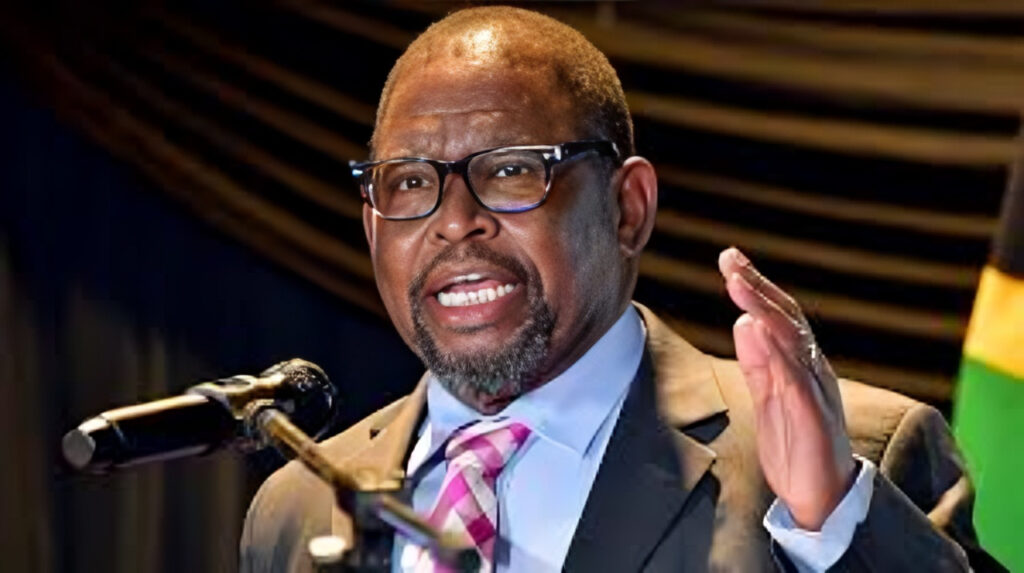
Image source: Polity.org
South Africa’s national budget announcement, initially scheduled for Wednesday, has been unexpectedly delayed due to a significant disagreement within the coalition government. This postponement is unprecedented in the post-apartheid era, as National Assembly Speaker Thoko Didiza informed lawmakers that such a delay has not occurred in the past 30 years. The budget will now be presented on March 12, 2024, which may lead to further uncertainties in the country’s financial planning.
The African National Congress (ANC), which lost its parliamentary majority in the contentious 2023 elections, is now heavily reliant on its coalition partners to secure the necessary support for passing the budget. The ANC’s primary ally, the Democratic Alliance (DA), has voiced strong opposition to the ANC’s proposal to increase the value-added tax (VAT) by two percentage points, raising the rate from 15% to 17%. This proposed tax hike is intended to address crucial funding shortages affecting essential sectors, particularly education and social welfare programs.
The unexpected delay triggered immediate reactions in financial markets, causing the South African rand to depreciate by up to 1% against the US dollar. Analysts attributed this volatility to uncertainties surrounding fiscal policy and the potential consequences for the nation’s economic stability. Reports indicate that the last VAT increase took effect in 2018, and the prospect of another hike has faced significant resistance from opposition parties, labor unions, and various civil society organizations, who argue that it would unfairly impact low-income households.
As the most industrialized nation on the continent, South Africa continues to face ongoing economic challenges, characterized by slow growth, rising public debt, and high unemployment rates, particularly in the aftermath of the 2008-09 global financial crisis. The current political situation and the delayed budget announcement only add to the difficulties of addressing these persistent economic issues.
About The Author