Mpox Outbreak in Kabare Deepens Crisis in Conflict-Hit Eastern DRC

Image source: BBC
The town of Kabare in South Kivu province, Democratic Republic of Congo (DRC), is experiencing a serious outbreak of Mpox, a virus mainly transmitted through direct skin-to-skin contact. Amid these developments, healthcare workers are working tirelessly to deliver crucial treatment, despite immense challenges worsened by the area’s persistent conflict.
Since the beginning of the year, violent conflict in eastern DRC has exacerbated the dire situation for both the population and the healthcare system. Medical staff are under tremendous strain as they try to address the escalating demand for care while dealing with minimal resources, disrupted supply chains, and security risks. Their commitment to aiding those impacted by both the war and illness remains unwavering.
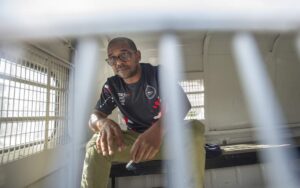
Patrick Buroko, a resident battling both the conflict and Mpox, shared his harrowing journey. “Our suffering is due to the war. Medicine isn’t always accessible when needed. Wounds don’t heal properly, and recovery is hindered because medicine arrives late. Still, I feel better now that I have received treatment. The care I received has made a difference, but there is still much that needs improvement,” he said. He described how he initially suffered from malaria before showing symptoms of Mpox, such as painful skin lesions and fever.
Mpox, which presents with noticeable skin lesions, spreads through close contact and can be transmitted quickly in vulnerable communities. Although precise infection and fatality statistics are unavailable, the World Health Organization (WHO) indicated late last year that South Kivu is the hardest-hit province in the country, underscoring the severity of this public health crisis.
Many families are feeling the heavy impact of the outbreak. Christine Masumbuko, a mother caring for her young daughter with Mpox, described her emotional ordeal at a local medical facility. “When I took my daughter to the health center, her temperature had risen to 39.5°C. They provided some tablets, but after the nurses administered an injection, she fainted. I am grateful that her condition has improved, and she no longer suffers like that,” she said with evident gratitude.
Compounding the crisis is the deterioration of the healthcare system due to ongoing conflict. Kabare is seeing an influx of patients, including those fleeing violence, which raises the likelihood of Mpox spreading. Dr. Serge Cikuro, a medical officer in Miti Murhesa, illustrated the strain on the health infrastructure: “Patients keep arriving in large numbers, and we must continue providing care. The health zone that once had four treatment centers now operates with just two—one in Lwiro and the referral hospital in Miti—due to the ongoing violence.”
To combat the growing epidemic, the DRC government initiated a mass vaccination campaign aimed at curbing the spread of Mpox. This campaign, launched last Thursday in Kinshasa, seeks to vaccinate over 600,000 people to control the outbreak and minimize further transmission.
While the nation confronts the dual crises of armed conflict and an expanding Mpox outbreak, healthcare workers persevere on the frontlines, ensuring vital care reaches those in need. Their determination shines through despite the challenges of violence, insufficient medical supplies, and a challenging public health landscape.
About The Author