IEC Sets March 24 Deadline for Inactive Parties to Justify Their Status

Image source: ECF-SADC
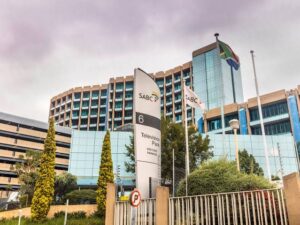
The Independent Electoral Commission (IEC) of South Africa has recently made an important announcement about the de-registration of the South African Communist Party (SACP) and 91 other political parties deemed inactive. This situation has drawn considerable attention, highlighting the difficulties some political organizations face in retaining their official status within the nation’s electoral system.
The commission has given the affected parties until March 24, 2025, to provide valid reasons to the IEC to justify their inclusion in the official political party register. The IEC has raised concerns that these parties have not fulfilled key requirements for maintaining their operational status. This includes a lack of transparency and failure to prove their ongoing existence and involvement in the political sphere, which casts doubt on their relevance and effectiveness in the current political environment.
This announcement comes at a crucial moment for the SACP, as the party recently announced its plan to contest the 2026 elections independently. This represents a major strategic change for the SACP, which has traditionally operated within alliances. The decision to run an independent campaign is viewed as a potential turning point, as the party aims to redefine its identity and emphasize its goals apart from other political associations.
South Africa currently boasts a vast and intricate political landscape with over 600 registered political parties. Among these, 383 are recognized at the national level, while 226 function at provincial and municipal levels. This large number reflects the country’s rich political diversity but also raises significant concerns about the viability and active participation of many smaller parties in the democratic process. The IEC’s actions may lead to a reassessment of the approaches taken by these smaller parties as they strive to stay relevant and impactful in South Africa’s changing political scene.
About The Author