Wild Meat: A Billion-Dollar Trade Threatening Ecosystems and Human Health
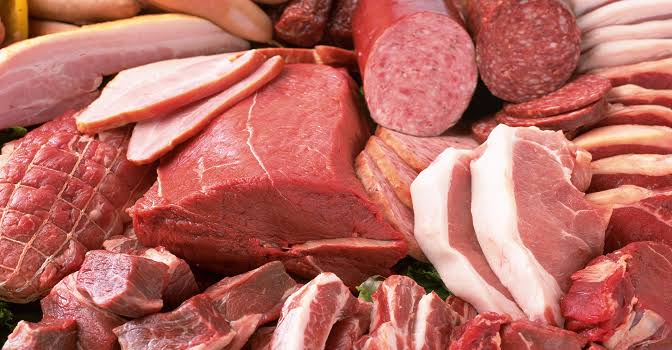
Image source: ConsumerConnect
One of the most urgent challenges we face today is the trade in wild meat. This trade impacts millions of people and poses threats to billions due to the possibility of disease emergence. While it serves as a source of food and income for some of the poorest and most remote communities in Africa and Asia, excessive exploitation jeopardizes ecosystems and endangers various species.
In Africa, the hunting of wild meat largely arises from a scarcity of available protein and food, often referred to as “the poor man’s meat.” Conversely, in certain areas of East and Southeast Asia, wild meat is presented in restaurants as costly exotic dishes, or recognized as “the rich man’s status.”
Despite this, the consumption of wild meat carries serious risks and challenges. The global wild meat trade can result in a reduction in biodiversity, strengthen illegal markets, and facilitate disease transmission. The wildlife trade and the so-called wet markets, where wild animals and their meat are commonly sold, play a role in the emergence of diseases like Ebola and HIV, which can transfer from animals to humans.
The importance of these issues is highlighted in a recently published landmark study, which evaluates the exploitation of wild animals by concentrating on consumer behavior rather than solely on the animals or hunting communities. Unlike many prior studies that aim to halt the wild meat trade or focus on its nutritional advantages for impoverished groups, our research endeavors to find an equilibrium between conservation, community development, animal welfare, and disease management.
As experts in livestock and sustainable development and the authors of the report, we spent over a year examining the wild meat trade, particularly in critical regions across Africa and Asia. We argue that since the wild meat trade is expected to continue, policymakers and practitioners should focus on improving the management of the global wild meat trade, regulating the farming of wild animals, and offering alternatives for consuming wild meat to low-income communities.
Finding a balance between the benefits and risks associated with wild meat consumption is crucial for safeguarding human health, animal welfare, and the environment.
Based on earlier studies and a comprehensive literature review, our report indicates that the global wild meat trade is extensive. Annual revenues in Africa reach $1 billion, while the illegal trade in Southeast Asia is estimated to be between $8 billion and $11 billion, with wildlife farming in China yielding up to $74 billion.
The quantity of wild meat consumed is also significant—often surpassing that of livestock meat. On average, African foragers consume around 38 kg of wild meat per year, while farmers consume about 16 kg annually. By comparison, the average annual consumption of livestock meat in Africa is roughly 16.7 kg per person.
In at least 60 countries, wildlife and wild-caught fish provide at least 20% of animal protein in the diets of rural households. In regions with high poverty rates, abundant wildlife, and limited access to affordable domesticated meat, many families depend on hunting wild animals to satisfy their protein requirements.
In contrast to domesticated meat, which comes from approximately 20 animal species, the wild meat trade involves hundreds of species. In Africa, nearly 500 species are hunted, while around 300 species are targeted in Southeast Asia. Current levels of wild meat extraction are not sustainable, except for a few small and rapidly reproducing species such as rodents. The most commonly hunted animals are ungulates (hoofed animals), followed by large rodents and primates. As larger animals near human settlements have often been depleted, there is a growing reliance on smaller species, like duikers and large rodents, that reproduce more quickly and can be hunted more sustainably.
The illegal wild meat trade is increasingly taking place online, with Asia serving as a significant supplier and consumer. This smuggling elevates hunting pressure, as wildlife is harvested not just for local consumption but also for global markets. There are signs of decreasing extraction rates due to over-hunting, which results in “empty forests.” While regulatory bans can help reduce hunting, they might also push the trade underground.
Climate change amplifies wild meat extraction by making it harder to grow crops and raise livestock. Research indicates that critical ecosystems, such as the Serengeti in Tanzania, are experiencing significant declines in wildlife connected to climate change and changes in land use.
Shifting away from wild meat practices in poorer regions presents a complex challenge. Substituting wild protein sources with commercially raised livestock can be exceedingly costly for low-income families and governments. Moreover, projections suggest that increasing livestock production to compensate for the loss of wild meat could lead to deforestation.
About The Author