South Africa’s Courts Tackle Apartheid’s Legacy: A Step Toward Accountability
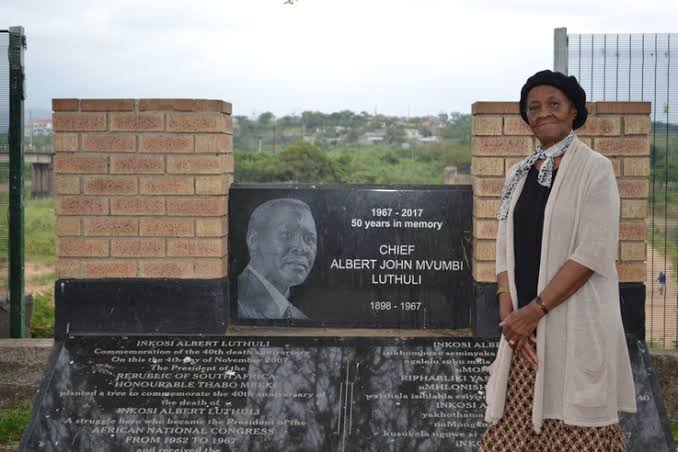
Image source: The Citizen
South Africa’s judicial system is experiencing a profound transformation as it addresses long-standing issues arising from the nation’s complex history, particularly the years of apartheid. In a pivotal ruling, the courts have permitted the trials of two former police officers linked to the tragic deaths of three young student activists in 1982. This incident remains a painful reminder of the harsh repression endured by those who resisted the apartheid regime. This ruling signifies a significant advance in the ongoing quest for accountability and justice regarding past injustices. Up to this point, the absence of serious legal repercussions for the severe human rights violations committed during apartheid has left a lasting, unresolved anguish in the nation’s shared memory, creating substantial hindrances to reconciliation and healing.
The tragic narrative at the center of this case revolves around three courageous young activists who lost their lives in a devastating explosion while opposing apartheid in 1982. These individuals were vital members of a dedicated resistance group that fought for equality and justice in a society dominated by a tyrannical state enforcing a strict racial hierarchy and systematically suppressing the Black majority. Observers consider this ongoing case as not just a critical advancement towards justice for the families of the victims but also a potential trigger for heightened accountability in South Africa. This legal action could set a groundbreaking precedent for other nations grappling with similar issues related to historical atrocities and state violence.
At the same time, South Africa is thoroughly probing the suspicious circumstances surrounding the passing of Albert Luthuli, a highly respected former leader of the African National Congress (ANC) and a distinguished Nobel Peace Prize winner, who died in 1967 under questionable conditions. Current prosecutorial authorities are actively re-evaluating previous investigations that quickly determined Luthuli’s death to be accidental, potentially uncovering new insights. This ongoing inquiry follows more than thirty years after South Africa transitioned to democracy and is prompted by the significant revelations of the Truth and Reconciliation Commission, which uncovered numerous crimes committed during apartheid. The government’s renewed determination to seek justice for historical injustices highlights its commitment to confront the grim legacy of oppression, foster community healing, and build a more equitable future for all South Africans.
About The Author