Baragwanath Files Go Online
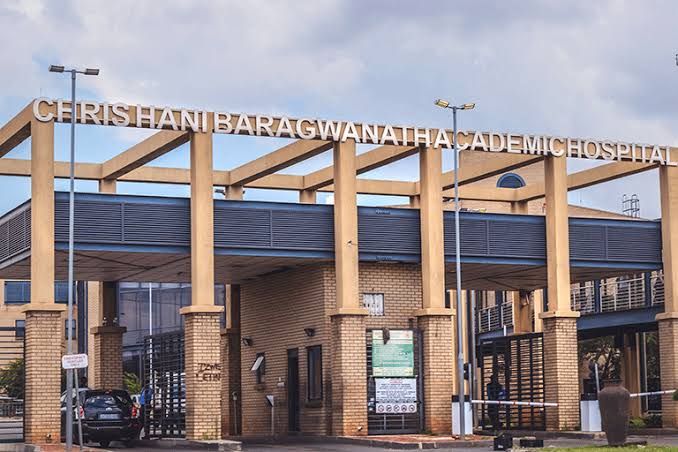
Health services in Gauteng are entering a new era as the province begins moving thousands of patient records into digital storage. The transformation was marked at a media breakfast hosted on Tuesday, where Gauteng Health MEC Nomantu Nkomo-Ralehoko praised the recent rollout at Chris Hani Baragwanath Academic Hospital in Soweto.
The hospital has now transitioned hundreds of thousands of files to an electronic system a move that signals the beginning of broader changes expected to reach more major public health facilities soon.
Gauteng’s healthcare system is undergoing a major overhaul as it shifts from paper to digital records, a move hailed as a game-changer for patient care and data protection. The province is rolling out a new electronic filing system designed to speed up service delivery, safeguard personal information, and modernise hospital operations.
What sets this initiative apart isn’t just the technology, but also the people behind it. A group of 100 young locals were trained and employed as part of the rollout and as the project expands to more hospitals, they’ll be stepping up as team leaders. Over the next three years, the goal is to digitise hundreds of millions of medical files across all 37 public hospitals in the province, marking one of the most ambitious healthcare tech upgrades in the country.
A digital shake-up is underway in Gauteng’s public health sector, thanks to a collaboration with tech partner Mintgroup. As part of this rollout, hospitals such as Thelle Mogoerane, Tembisa Tertiary, Steve Biko Academic, Sebokeng, and Tambo Memorial have already begun integrating digital systems that replace outdated paper-based processes.
The development was spotlighted during a media breakfast at Chris Hani Baragwanath Academic Hospital, signalling a broader commitment to overhauling the province’s healthcare infrastructure. With all 37 public hospitals set to benefit, the shift is aimed at enhancing service delivery, ensuring smoother patient management, and reinforcing accountability across the board.
The Gauteng Health Department has officially launched a landmark digitalisation project at Chris Hani Baragwanath Academic Hospital, where hundreds of thousands of patient records have now been converted into digital format.
Gauteng Health MEC Nomantu Nkomo-Ralehoko described the rollout as a pivotal moment in the province’s journey towards a modern, patient-focused healthcare system. She emphasised that the digitisation effort part of a broader pilot sets a vital precedent for transforming how hospitals manage patient data across the province.
“This isn’t just about technology. It’s about dignity, efficiency, and trust in public health. What we’re doing here is preparing the ground for a much broader transformation that will benefit every citizen reliant on our public facilities,” Nkomo-Ralehoko explained.
With this step, the department aims to streamline medical file access, reduce administrative backlogs, and ultimately enhance the overall quality of care in public hospitals.
In a decisive step towards transforming healthcare delivery, the Gauteng Department of Health has begun laying the groundwork for a fully integrated digital ecosystem within its facilities. Speaking on the department’s broader vision, the MEC confirmed that the newly digitised patient records will soon be embedded into the province’s central Health Information System (HIS) a move that signals more than just technological progress.
Alongside this digital backbone, the department is scaling up advanced tools including intelligent Queue Management Systems and Radiology Imaging Archiving (PACS), all designed to unclog patient bottlenecks and streamline operations across hospitals.
“These upgrades are not just about convenience,” the MEC noted, “they’re about impact accelerated service, reduced crowding, and quicker diagnoses for every patient who walks through our doors.”
With over 42 million pages now scanned, indexed, and encrypted in a secure cloud vault, the system ensures that authorised clinicians can retrieve vital patient data at the click of a button anytime, anywhere. This isn’t merely a milestone in administration. It’s a shift in how care will be delivered for years to come.
And while the public may not see these clouds in the sky, they are about to feel the storm of efficiency they bring.
About The Author