Trump Signs AGOA Extension: A One-Year Reprieve for South African Trade
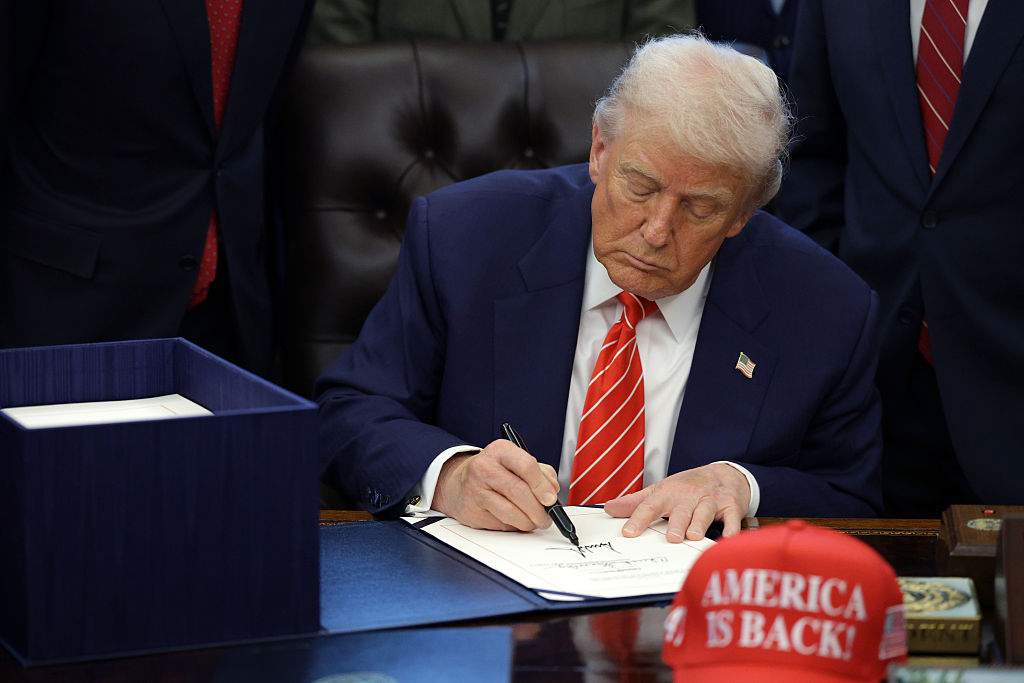
President Trump signs a one-year AGOA extension. Image Source: News24
In a last-minute move that has averted a massive trade disruption, U.S. President Donald Trump officially signed the reauthorization of the African Growth and Opportunity Act (AGOA) on Tuesday, February 3, 2026.
The new law restores duty-free access for over 1,800 African products, but it comes with a major catch: the extension is valid for only one year, expiring on December 31, 2026. This “short-fused” renewal has sparked a mix of relief and deep-seated anxiety among South African exporters.
The Retroactive “Cash Back” Win
Because AGOA originally lapsed on September 30, 2025, many South African businesses have spent the last four months paying full Most Favoured Nation (MFN) tariffs to enter the U.S. market.
-
Retroactive Relief: The signed legislation applies retroactively to September 2025. This means exporters are entitled to a full refund of duties paid during the lapse.
-
The 180-Day Rule: Importers must file for these refunds with U.S. Customs and Border Protection within six months. For the Western Cape’s wine and fruit sectors, this represents a vital injection of liquidity just ahead of the 2026 harvest.
“America First” and the Reciprocity Threat
While the extension is a victory for volume, the tone from Washington has shifted. U.S. Trade Representative Jamieson Greer made it clear that 2026 will be a year of “modernization” to align with President Trump’s America First trade policy.
-
Market Access: The U.S. is signaling that future renewals will demand significantly more market access for American farmers and ranchers within South Africa.
-
The 30% Overlay: In a sobering twist for local farmers, the 30% reciprocal tariffs previously imposed by the Trump administration on certain goods remain in place. While South African oranges have been granted a reprieve as “non-competitive,” higher-value soft citrus (mandarins and lemons) will still face the heavy 30% duty, which often exceeds the entire profit margin.
“We are concerned by the short nature of the extension. It creates uncertainty for investors who need long-term predictability to make purchasing decisions.” — Parks Tau, South Africa’s Minister of Trade, Industry, and Competition.
Why South Africa is Under the Microscope
Despite being the largest non-oil beneficiary of AGOA—exporting roughly R66 billion worth of goods to the U.S. in 2023—South Africa’s inclusion remains under intense scrutiny.
-
Political Friction: Several U.S. lawmakers have questioned Pretoria’s foreign policy alignments, with some pushing for South Africa’s total exclusion from the pact.
-
The “Out-of-Cycle” Review: The Trump administration has favored a month-to-month survival game, using the one-year window to pressure the GNU (Government of National Unity) for trade concessions.
AGOA 2026: What’s at Stake?
| Sector | Impact of Extension | Key Risk |
| Automotive | Duty-free access restored | High sensitivity to reciprocal U.S. vehicle tariffs. |
| Wine & Spirits | Retroactive refunds available | Competition from European and South American imports. |
| Agriculture | Oranges exempt; Mandarins taxed | 30% tariff “overlay” remains the biggest hurdle. |
| Textiles | Short-term job security | Uncertainty prevents long-term factory contracts. |
About The Author