World Body Warns South Africans to Brace for Scorching Summer as El Niño Returns
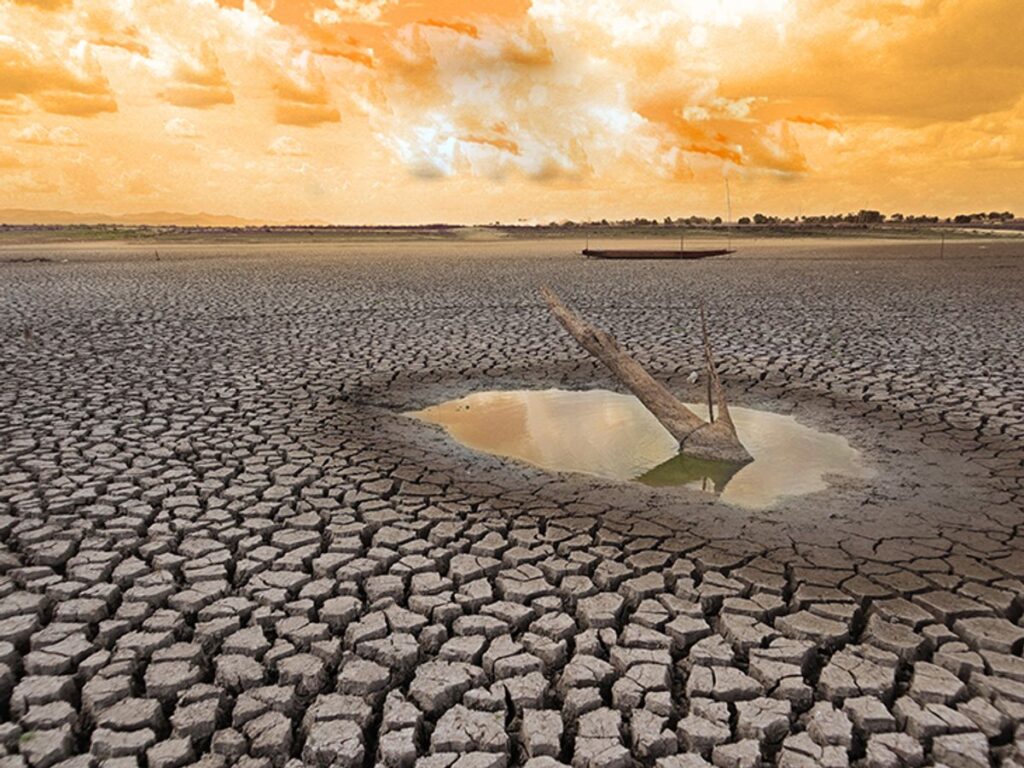
Image Source: Bhaskar
By Mpho Tumelo Modise | EZA News
The World Meteorological Organization has issued a warning that a moderate to potentially strong El Niño weather pattern is developing, with a greater than 90% chance of the phenomenon persisting through to at least November 2026. For South Africa, the implications are significant and immediate — and households, farmers, and municipalities should begin preparing now.
El Niño, driven by unusual warming of surface waters in the central and eastern Pacific Ocean, typically brings hotter and drier-than-average conditions to southern Africa. For a country whose agricultural sector is already stretched by years of variable rainfall, whose dams in key provinces are unevenly stocked, and whose municipalities routinely struggle to maintain water infrastructure under normal conditions, a strong El Niño cycle is not merely a weather story — it is a public health and economic risk.
The most direct impact will be felt in summer rainfall regions — Gauteng, Limpopo, Mpumalanga, the North West, and parts of the Free State — where reduced precipitation during the critical October-to-March growing season can devastate maize and grain yields. South Africa is a net exporter of white maize in good years. In El Niño years, it can become a net importer, with downstream effects on food prices that hit the country’s most vulnerable households hardest.
Water supply is the second pressure point. Municipalities that have failed to maintain reservoirs, fix leaks, and reduce non-revenue water losses will find those failures compounded by reduced catchment inflows. Residents in cities and towns where water service delivery is already unreliable should not wait for municipal action — household-level water storage and efficiency measures are prudent now.
There is also a health dimension. Hotter conditions accelerate the spread of certain vector-borne diseases and place additional strain on outdoor workers, the elderly, and communities without reliable electricity for cooling. Heat-related illness is systematically under-reported in South Africa and deserves serious public health attention as the summer approaches.
The warning is not a prediction of catastrophe. South Africa has navigated El Niño conditions before, and the country’s scientific and agricultural institutions have the capacity to respond effectively — if they act early enough. The time to act is now, not when the heat arrives.
About The Author