Joburg vs Cape Town: The Great South African Nightlife Debate Rages On – And Both Cities Are Winning
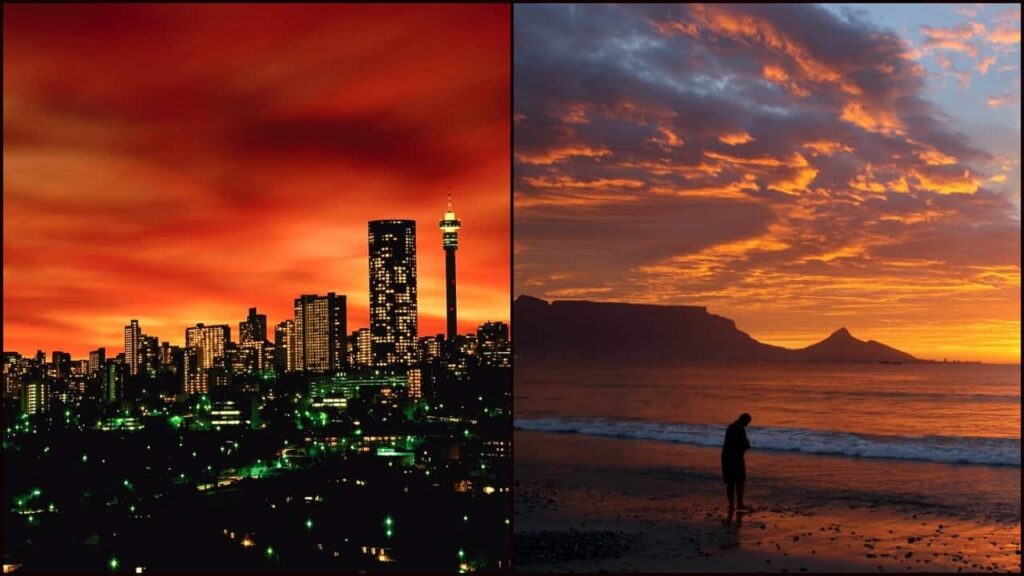
Image Source: TSA
By Lerato “Lulu” Khumalo | EZA News
Ask any South African where the best night out is and you will immediately start a fight. Joburg people will tell you there is no contest – the City of Gold is the engine room of African nightlife, the place where amapiano was born, where the streets of Braamfontein, Melville, and Sandton pulse with an energy that does not apologise for itself. Cape Town people will calmly point to Bree Street, the Long Street strip, the rooftop bars of the CBD with their views of Table Mountain lit up against the night sky, and suggest that Joburg simply does not understand what ambience is.
The truth is more interesting than either side will admit: both cities are currently producing some of the most exciting nightlife experiences on the African continent, and in 2026, they are doing it in distinctly different ways that reflect their characters rather than their rivalry.
Joburg’s scene right now is defined by movement. The culture follows the artists – and South Africa’s artists are on fire. Amapiano, which began as a Pretoria-Joburg township sound barely a decade ago, has become one of the most globally streamed genres in the world, and its home city has responded by building an ecosystem around it: daytime pool parties in Soweto that flow into sunset sets in Sandton, underground venues in Maboneng where the next generation of producers road-tests new sounds before they reach the mainstream. The city’s nightlife is loud, democratic, and deeply competitive in the best sense – everyone is trying to outdo the last event.
Cape Town’s scene is operating on a different register. The Mother City has leaned into its reputation as a destination rather than just a city, and its nightlife reflects that: curated rooftop experiences in De Waterkant and the V&A precinct that attract an international crowd alongside locals; intimate jazz bars in Woodstock where the Eastern European and West African influences on South African jazz are explored with genuine seriousness; beach clubs along the Atlantic Seaboard where the sunset over the ocean is the main act and everything else is supporting.
Where both cities converge is in the growth of the after-culture – the restaurants, galleries, late-night food markets, and pop-up creative spaces that extend the social evening beyond the club and into something that feels more like a city asserting its identity. South Africa’s nightlife in 2026 is not just about where you dance. It is about who you are when you are out – and in both Joburg and Cape Town, the answer to that question has never been more interesting.
About The Author