The Southern African Cities That Are Quietly Building World-Class After-Dark Scenes
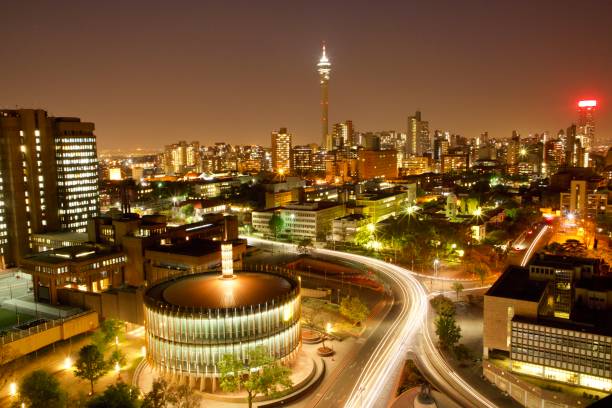
Johannesburg by night from Parktonian Hotel
By Lerato “Lulu” Khumalo | EZA News
Joburg and Cape Town get all the column inches, but if you have not been keeping an eye on what is happening after dark in Gaborone, Maputo, and Windhoek, you are missing some of the most genuinely exciting emerging nightlife scenes on the continent – and they are building the kind of cultural momentum that tends to arrive quietly and then suddenly be everywhere.
Gaborone, Botswana has been the southern African city that most consistently surprises visitors who expect a sleepy capital. The Gaborone nightlife circuit has matured significantly over the past three years, driven in part by a young professional class with spending power and a genuine appetite for quality. The cluster of venues around the Masa Square precinct and the G-West neighbourhood have developed into a destination strip – bottle service culture sits alongside live music venues where Botswana’s own emerging artists share bills with South African acts crossing the border for weekend gigs. The city’s relative safety and accessible infrastructure have made it an attractive alternative for regional travellers looking for an urban entertainment fix without Johannesburg’s intensity.
Maputo, Mozambique has long had the bones of a great nightlife city – Portuguese colonial architecture, a waterfront location, and a population that knows how to have a good time. What has changed recently is the investment: a new generation of venue owners, many of them returning diaspora with capital and vision, has opened bars, restaurants, and live music spaces that would not look out of place in Lisbon or Johannesburg. The Polana Caniço and Costa do Sol neighbourhoods are where the action is concentrated, and on weekend evenings the energy along the beachfront strips rivals anything the region has to offer. Maputo’s sound is its own – a blend of marrabenta rhythms, Afrobeats influence, and the kind of seaside looseness that only comes from a city built right on the ocean.
Windhoek, Namibia rounds out the picture with something different again: a small-city nightlife that punches well above its weight. The capital’s compact size means that the social scene is concentrated and accessible – Independence Avenue and the Klein Windhoek area offer a walkable evening circuit of restaurants, cocktail bars, and live music venues where German colonial history collides cheerfully with contemporary African culture. Namibia’s tourism industry has invested significantly in hospitality infrastructure, and Windhoek’s nightlife has benefited directly from the standards that investment demands.
The message for the southern African traveller is clear: the region’s after-dark culture extends well beyond South Africa’s two headline cities, and the most interesting experiences right now may well be found in places that are not yet on the global nightlife radar. That window will not stay open forever.
About The Author