South Africa Sends Rooibos to Space in Science and Agriculture Programme
By Mpho Tumelo Modise | EZA News
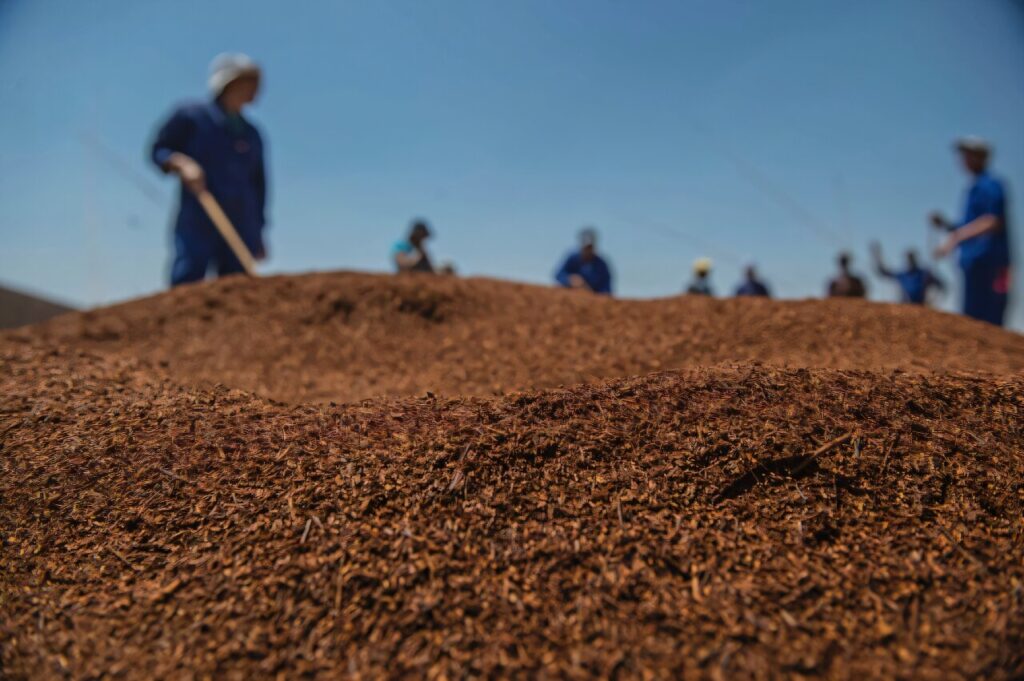
South Africa has launched an initiative that places one of its most distinctive agricultural products at the frontier of space research – rooibos seeds have been sent to the International Space Station as part of a programme designed to explore the plant’s biological responses in microgravity conditions and, in doing so, inspire a new generation of South African scientists and engineers.
Rooibos is not merely a beverage export. It is a product unique to the Cederberg region of the Western Cape, a plant that grows nowhere else on earth and that carries with it a complex web of biodiversity, indigenous intellectual property, and rural economic significance. Its journey to the ISS is therefore more than a scientific curiosity – it is a statement about where South African agricultural innovation is pointing.
The research value of studying plant biology in space is well established, with microgravity conditions producing insights into growth, resilience, and cellular response that are difficult or impossible to generate on Earth. What makes the rooibos programme notable for South Africa is its positioning at the intersection of indigenous agriculture, cutting-edge science, and educational aspiration – a framing that speaks to a country trying to build a credible technology and science identity that is distinctly its own.
About The Author