Zimbabwe Launches A New Gold-Backed Currency, ZiG
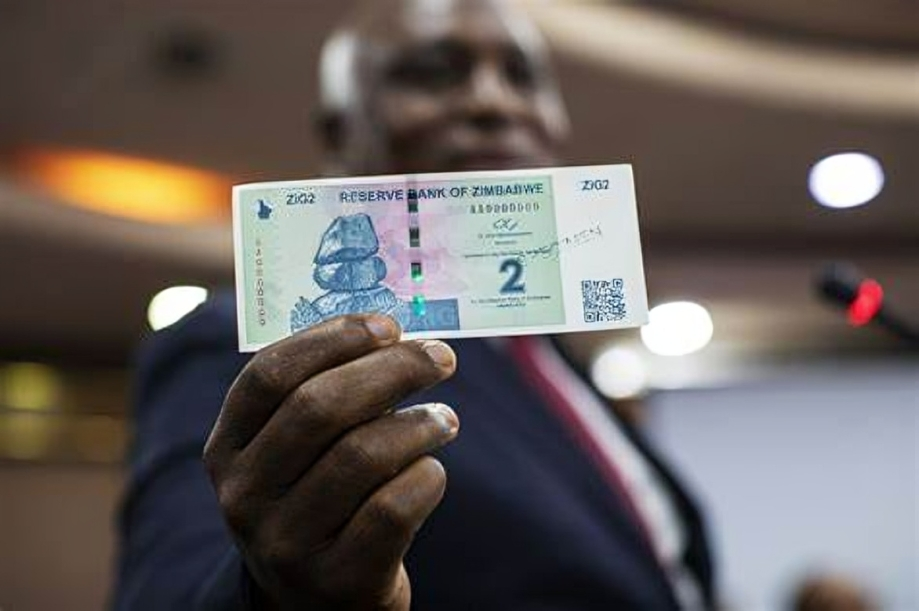
Image source: John Mushayavanhu holds ZiG currency during a news conference in Harare on April 5.Photographer: Cynthia R Matonhodze/Bloomberg
Published by: Omphile Pule
Zimbabwe has introduced a new currency called ZiG, short for “Zimbabwe Gold,” in an effort to stabilize its economy, which has faced turmoil for the past 25 years. The announcement was made by the central bank governor, John Mushayavanhu, who stated that ZiG would be backed by precious minerals, mainly gold, and foreign exchange to prevent devaluation. The new banknotes will come in denominations ranging from 1 to 200, with coins also being introduced to address the shortage of US coins.
Mr. Mushayavanhu emphasized that the transition to ZiG would be immediate, with banks required to convert existing Zimbabwe dollar balances. This move comes as a response to the historic mistrust Zimbabweans have towards the central bank, particularly after the hyperinflation crisis of 2008, which led to the abandonment of the country’s own currency.
In the past, attempts to stabilize the currency, such as the introduction of the bond note backed by a US dollar loan facility, have failed due to overprinting. The new governor has assured the public that measures will be taken to prevent such occurrences in the future.
However, some economists remain cautious, citing the need for financial discipline to ensure the currency’s stability. Godfrey Kanyenze, an economist, highlighted the importance of government accountability in managing the economy.
The introduction of ZiG comes at a challenging time for Zimbabwe, as the country grapples with the effects of a severe drought, which has devastated half of the maize crop, a staple food. Despite the announcement of the new currency, public reaction has been subdued, with concerns lingering about the government’s ability to manage economic affairs effectively.
About The Author