The Hookah: A Trendy Illusion of Harmlessness
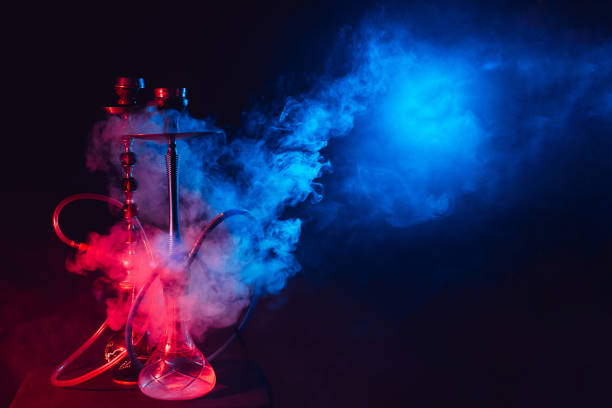
Modern hookah, shisha on smoky black background with neon lighting and smoke. Place for your text
The smoke and mirrors of the popular hookah pipe, Image credit: Anastasia Korchagina
Published by: Rorisang Masenya
Disclaimer: The following article may make us wildly unpopular, however, as always, we bring you “Everything You Need To Know”.
The hookah, known by many names – shisha, narghile, waterpipe – has a long and rich history. Though its popularity waned for a time, recent years have seen it come roaring back into global consciousness. Trendy hookah lounges are on the rise, catering especially to young adults seeking a new way to socialize and unwind. But behind the alluring aromas and wispy smoke lingers a harsh reality – hookahs present a serious health risk to both users and those around them.
The Hookah – Origins and Mechanics
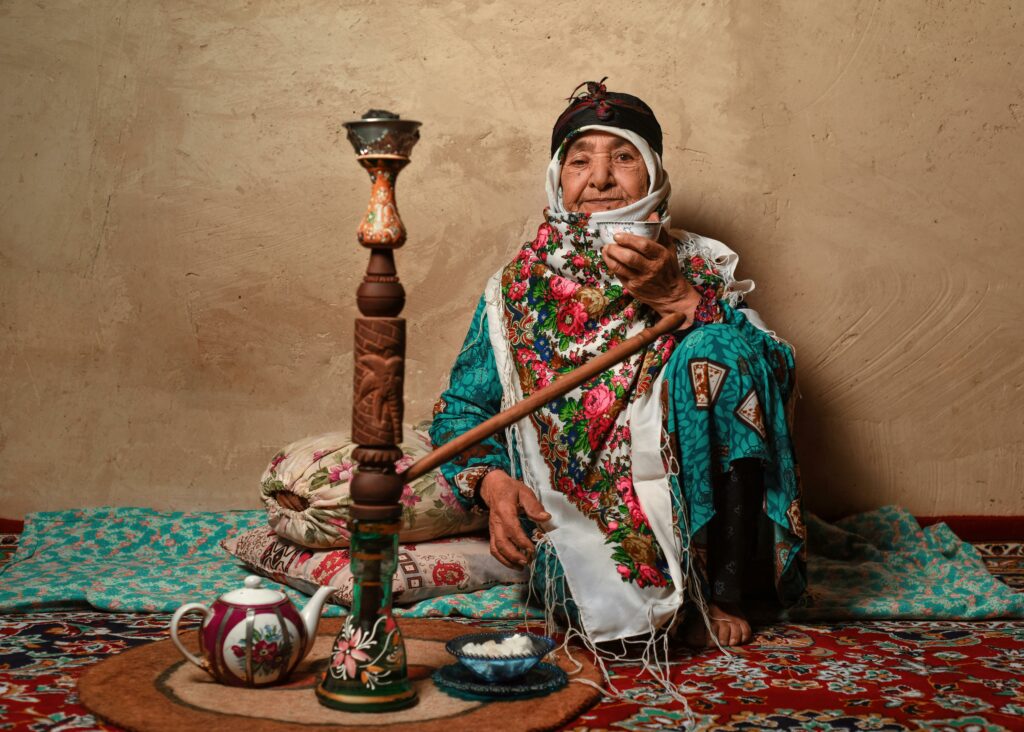

The hookah’s journey began centuries ago in ancient Persia and India. Its basic design has remained fairly consistent: a water bowl, a metal body, a hose, and a head where the flavoured tobacco (often called shisha) and hot coals are placed. In modern hookahs, this setup may be stylized in countless ways but the function stays the same. Users draw in smoke, which cools as it passes through the water, and into their lungs.
Hookah sessions are often social, with people passing a single mouthpiece around a group. And herein lies the first misconception: that hookah is somehow a “safer” alternative to cigarettes. This is categorically false. Let’s dive into why.
Fact vs. Fiction: Unveiling the Harm
Let’s debunk some common hookah misconceptions:
- Fiction: Hookah smoke is filtered through water, making it cleaner than cigarette smoke.
- Fact: While the water does trap some particles, the smoke still contains high levels of toxic chemicals like tar, carbon monoxide, heavy metals, and cancer-causing agents.
- Fiction: Hookah use equals less nicotine and carbon monoxide exposure than cigarettes.
- Fact: A typical one-hour hookah session can involve up to 200 puffs, while a cigarette averages about 20. That volume means hookah smokers can inhale the same amount of nicotine as from multiple cigarettes, alongside significant doses of carbon monoxide.
- Fiction: Non-tobacco hookah products are harmless.
- Fact: Even “herbal” shisha still involves burning, producing harmful elements that increase the risk of cancer, heart disease and lung disease.
Risks to Your Well-Being

Hookah smoke carries many of the same dangers as cigarette smoke. Long-term health consequences faced by regular hookah users include:
- Cancers: At least 82 toxic chemicals and carcinogens (cancer-causing agents) have been identified in hookah smoke. Oral, lung, stomach, and oesophagal cancers are all linked to hookah use. Continuous irritation from the tobacco juices heightens this risk significantly.
- Heart Disease: Toxins in hookah smoke can cause clogged arteries, leading to potential heart conditions.
- Pregnancy Risks: Women who smoke hookah while pregnant endanger their babies. Low birth weight and an increased risk of respiratory problems are possible outcomes.
- Infectious Disease: Sharing a hookah can spread illnesses like herpes, colds, flu, and even tuberculosis.
The Hidden Dangers of Second-hand Smoke
It’s not just the users who are at risk. Secondhand hookah smoke contains a toxic cocktail of substances, some of which are from the burning charcoal itself. Nonsmokers in the vicinity are unwittingly exposed to the same spectrum of health risks as those actively using the hookah.
The Verdict
While the hookah may come cloaked in an enjoyable social setting and appealing flavours, it’s important to understand the true dangers associated with its use. Hookah smoking carries substantial health risks, no matter the type of product used. The World Health Organization and countless medical studies are resolute: hookah smoking is not safe. The safest and healthiest choice is to avoid any form of nicotine or tobacco consumption.
If you or someone you know is struggling with hookah or cigarette addiction, don’t hesitate to seek help. There are resources available to support you on your journey to a smoke-free life.
Important Resources:
- The Cancer Association of South Africa (CANSA)
- Centers for Disease Control and Prevention (CDC) – Hookahs
- World Health Organisation (WHO)
About The Author