A New Era in Agriculture: Food Indaba 2025 Explores AI’s Dual Potential to Empower and Challenge Food Systems
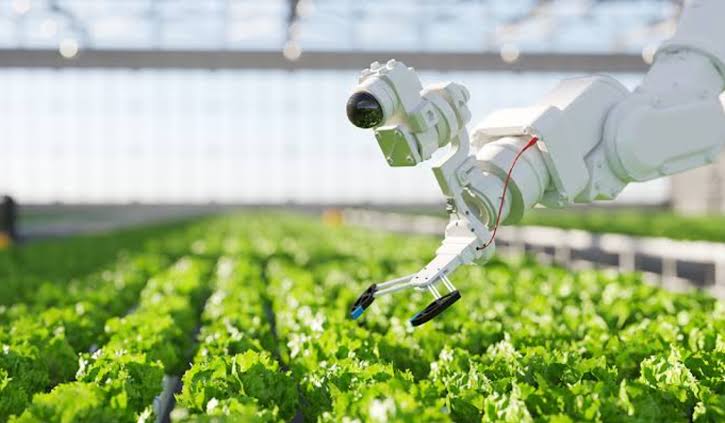
Image source: The AI Journal
As artificial intelligence (AI) continues to revolutionize a multitude of industries worldwide, the eagerly awaited Food Indaba 2025 is set to take place this July amidst the breathtaking landscapes of the Western Cape. The event is designed to bring together a diverse group of participants—including passionate food activists, innovative urban farmers, leading AI experts, and creative artists—to examine how AI can transform agriculture and food systems, with a special emphasis on its potential impact across Africa.
Kurt Ackermann, the Chief Executive Officer of South African Urban Food and Farming, shared a thought-provoking perspective on the event’s core mission. He stressed the need to critically assess whether AI will worsen or help mitigate the deep-rooted inequalities that limit food access, constrain production capacities, and reduce entrepreneurial opportunities across the continent. Ackermann emphasized the importance of a thorough understanding of AI’s influence on Africa’s food systems, posing vital questions: Will AI dismantle the power structures that perpetuate inequity, or might it unintentionally reinforce them?
Food System and AI
Ackermann underscored the need for asking clear and purposeful questions to ensure the food supply chain remains resilient while simultaneously exploring new, innovative ways to create healthier, more sustainable food systems. He pointed out that stakeholders—from policymakers to consumers—must develop a deeper understanding of AI and gain the ability to shape its integration, ensuring that the technology meets the specific needs of their communities.
“With over 20 distinct events scheduled throughout two weeks at various venues across the city, the Food Indaba 2025 promises to dive deep into the complex relationships between AI and the food system,” he noted.
“This event represents a critical turning point for those committed to reforming the food system. Attendees will gain invaluable insights into the vast and promising potential of AI, learn how to harness these technological tools to achieve their goals and uncover ways to ensure that the valuable data they generate is seamlessly incorporated into existing frameworks. This integration will significantly enhance AI’s ability to comprehend and represent the multifaceted nature of Africa’s food systems and other interwoven aspects of our lives,” Ackermann elaborated.
The influence of technology on the agricultural value chain
Ackermann further highlighted the need to examine the entire journey of food production—from the farm through to consumption—to fully grasp the influence of technology at every stage of the agricultural value chain. He maintained that understanding these impacts is essential for fostering a robust and efficient food production system.
“This year, the event’s program has been thoughtfully designed to cater to both industry professionals and the general public. A series of focused events will be scheduled throughout the week for industry insiders while engaging activities tailored for the general public will predominantly occur over the weekends. Noteworthy highlights include two specialized workshops on leveraging AI for food entrepreneurship, hosted by the Oribi Incubator at Makers Landing. The culmination of this year’s agenda will be a comprehensive full-day conference featuring distinguished thought leaders in the AI domain from across South Africa, who will share their expertise on the current landscape of AI technologies and explore how individuals within the food system can effectively harness these advancements,” he concluded.
This reimagined exploration of AI’s role in agriculture aims not only to spark innovative ideas but also to bridge the gap between cutting-edge technology and traditional food systems, ensuring that advancements benefit every layer of society.
News source: Food For Mzansi
About The Author