Brent Crude Surges Toward $100 as Houthi Red Sea Attacks Widen Middle East Conflict
By Sipho “The Investigator” Ndlovu | Hard News & Strategy Editor, EZA News
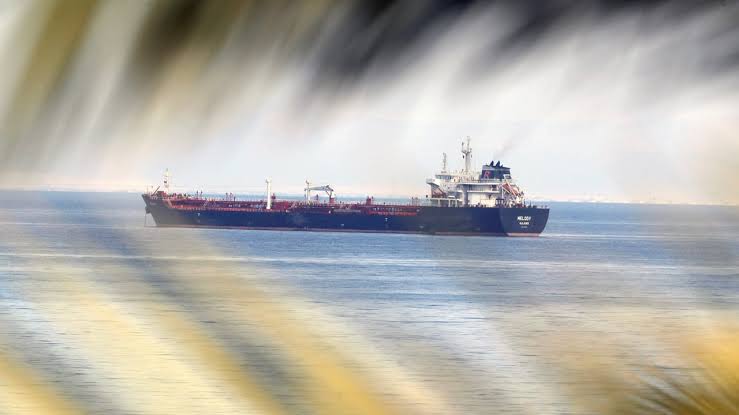
The Brent North Sea crude benchmark surged toward $100 a barrel on Thursday as Tehran-backed Houthi rebels intensified attacks on Red Sea shipping, stoking market fears that the Middle East conflict is entering a new and broader phase with direct implications for global supply chains and African oil-importing economies.
The price movement is not noise. It is a signal from commodity markets that the risk premium attached to Middle Eastern energy supply has increased materially. Brent crude at $100 is a psychological and practical threshold – one that triggers inflationary pressure across every economy that imports energy, tightens fiscal space for governments already under strain, and raises the cost basis for every sector that depends on fuel, logistics, or petrochemical inputs.
South Africa sits squarely in the line of exposure. The country imports a significant share of its oil from the Middle East, and disruption to Red Sea shipping lanes – whether through direct Houthi attacks on tankers, insurance risk escalation, or the rerouting of vessels around the Cape of Good Hope – raises both the cost and the transit time of those imports. The rand’s sensitivity to global risk sentiment compounds the problem: a weaker rand in a rising oil price environment is a double compression on the fuel price, which feeds directly into headline inflation and the Reserve Bank’s monetary policy calculus.
For the broader African continent, the exposure is uneven but widespread. Oil-importing nations in East and Southern Africa that depend on Red Sea route shipping face the most direct logistical impact. Countries with dollar-denominated fuel import bills face mounting fiscal pressure at a moment when many are already managing constrained budgets and elevated debt-service costs.
The Houthi attacks are not an isolated phenomenon. They are a deliberate strategy of regional escalation, and their continuation signals that the conflict’s economic perimeter – the zone in which ordinary consumers and governments absorb the cost of geopolitical decisions made elsewhere – is expanding. South Africa’s energy planners, the Reserve Bank, and the National Treasury are all watching this trajectory. They should be watching it with urgency.
About The Author